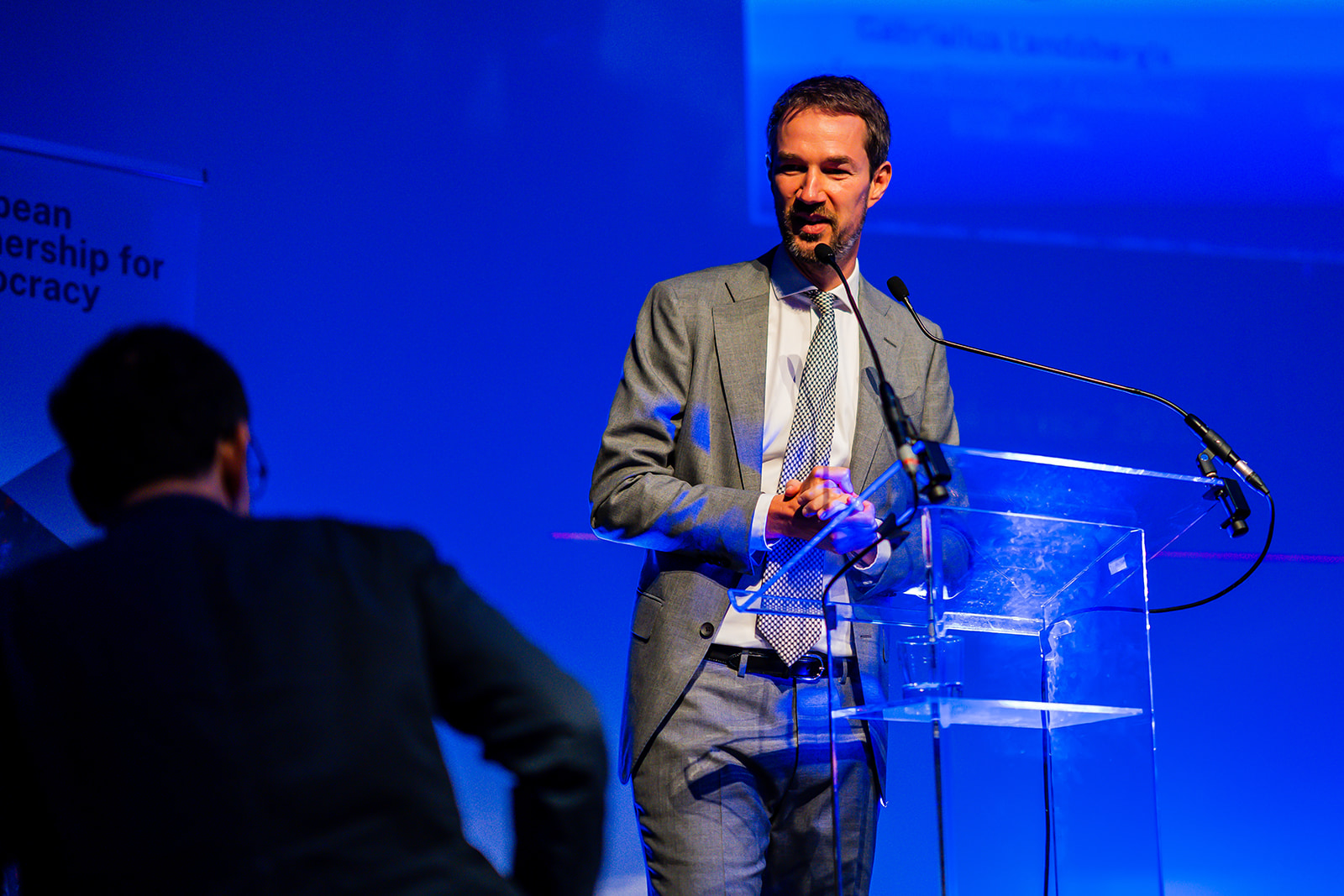
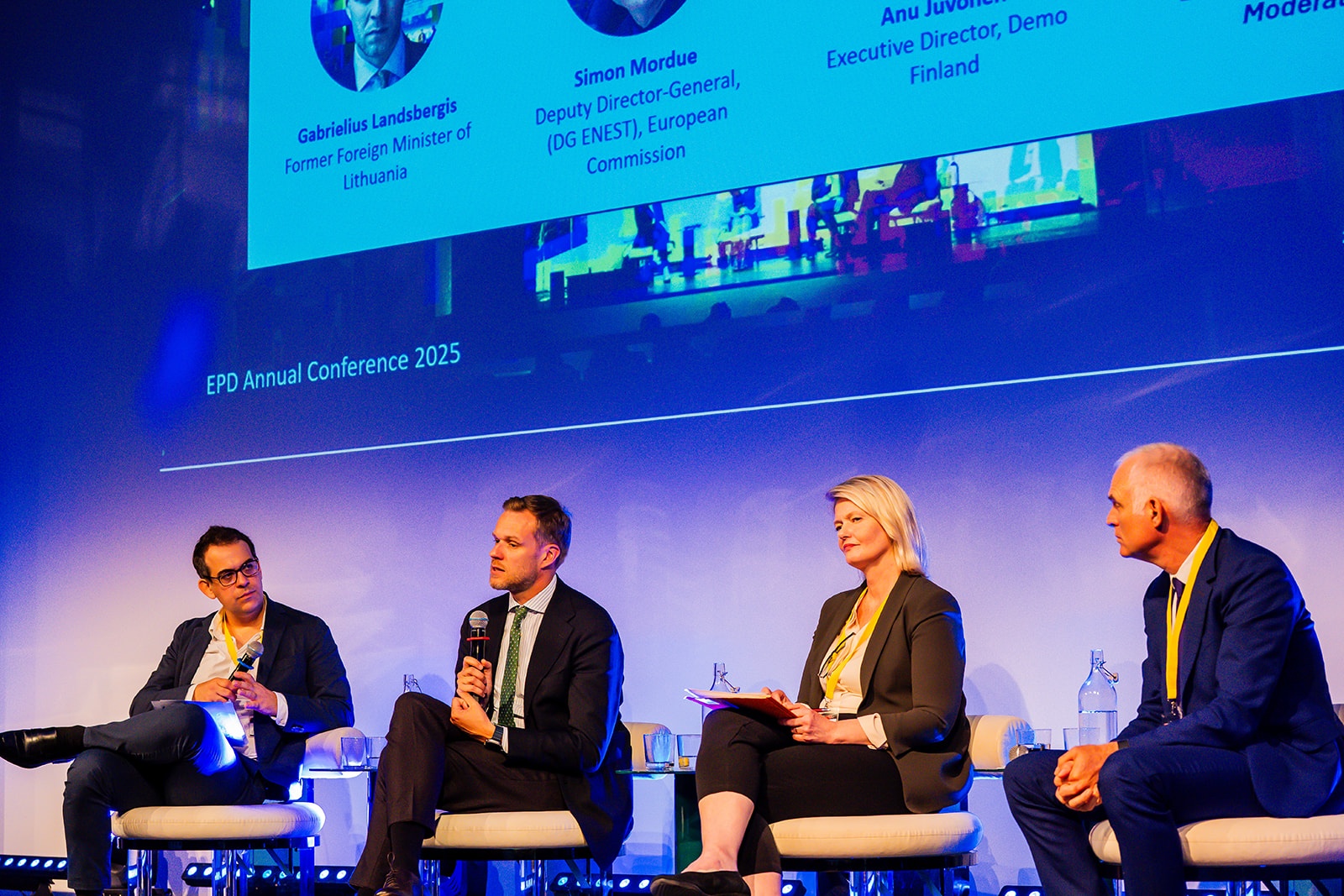
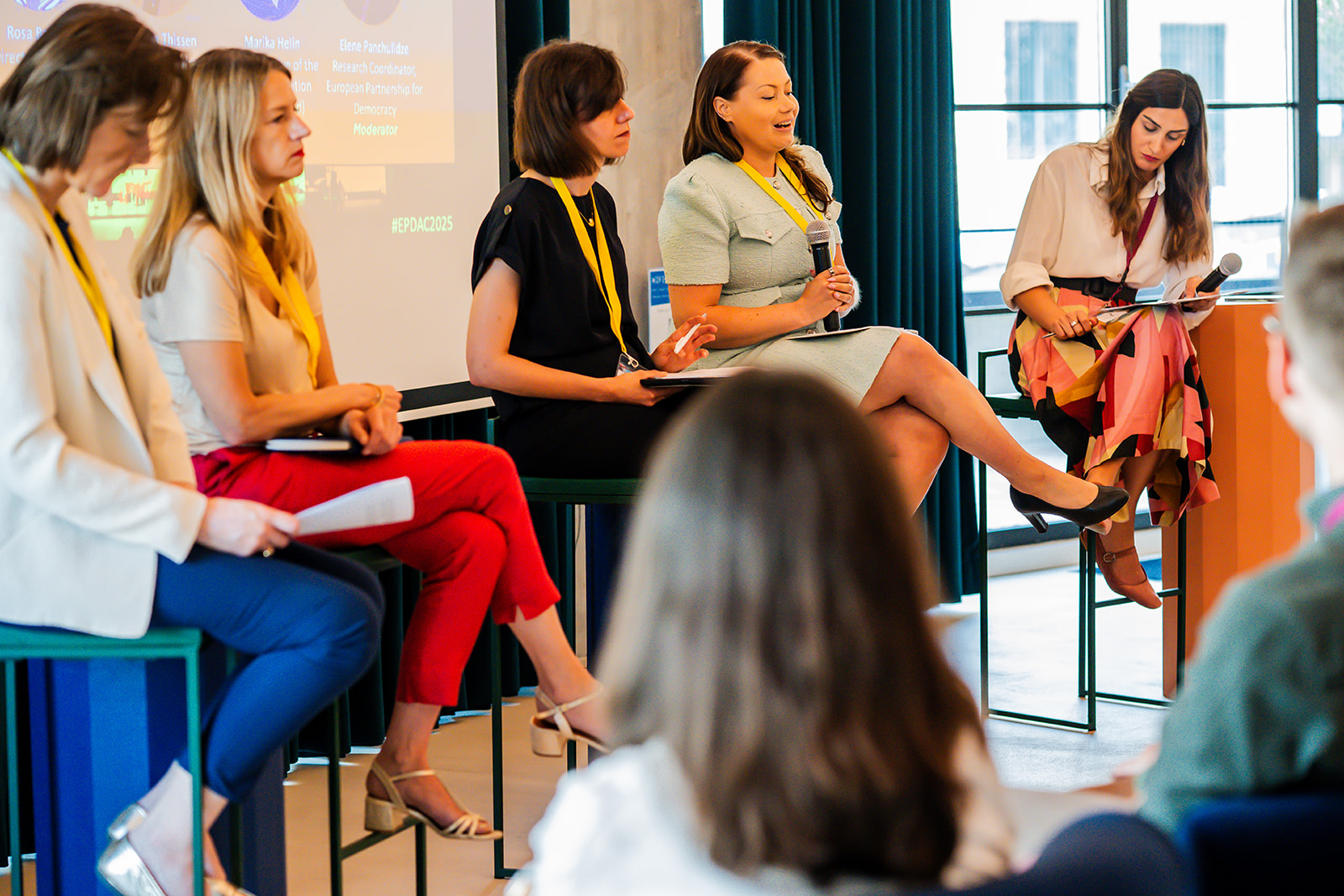
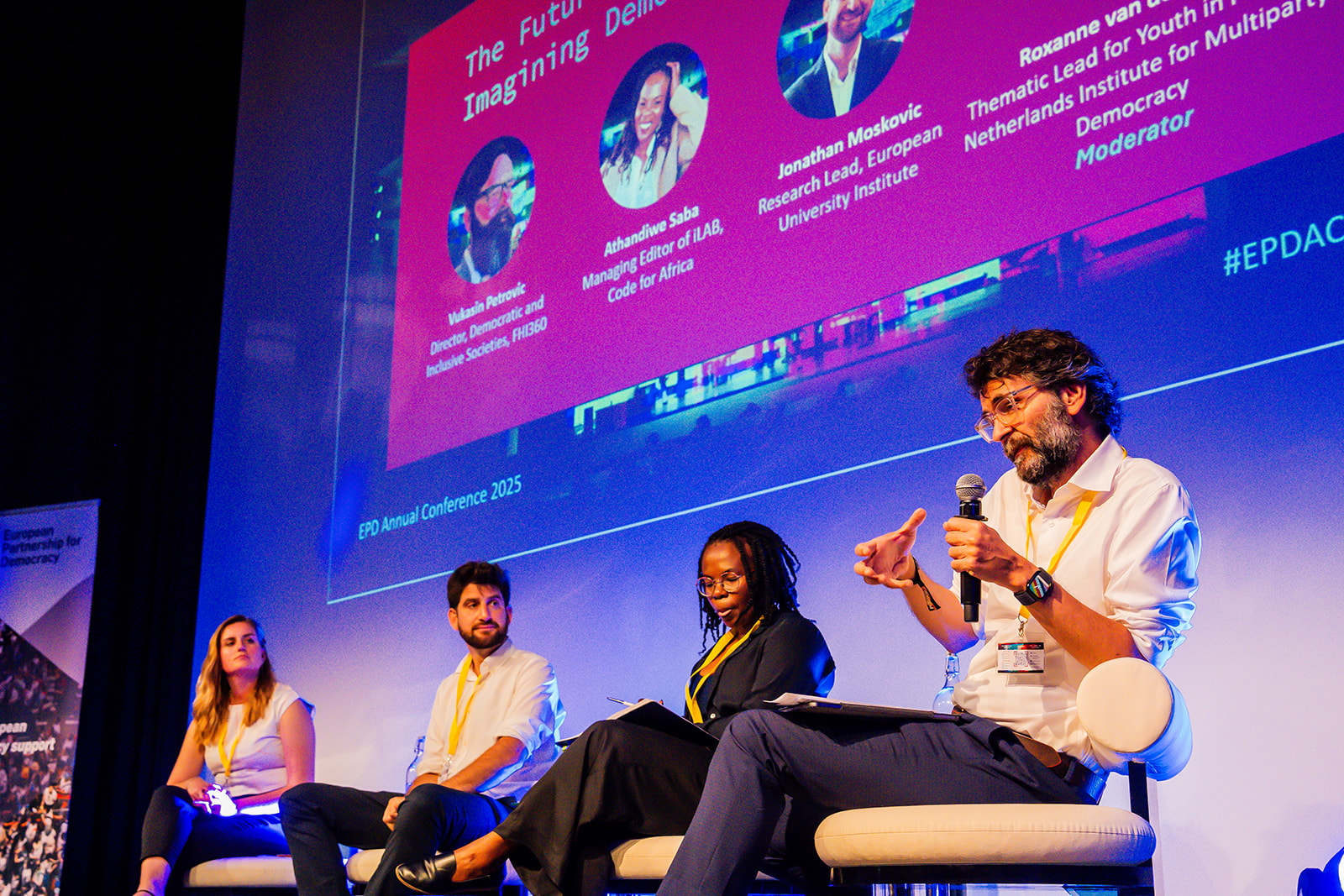
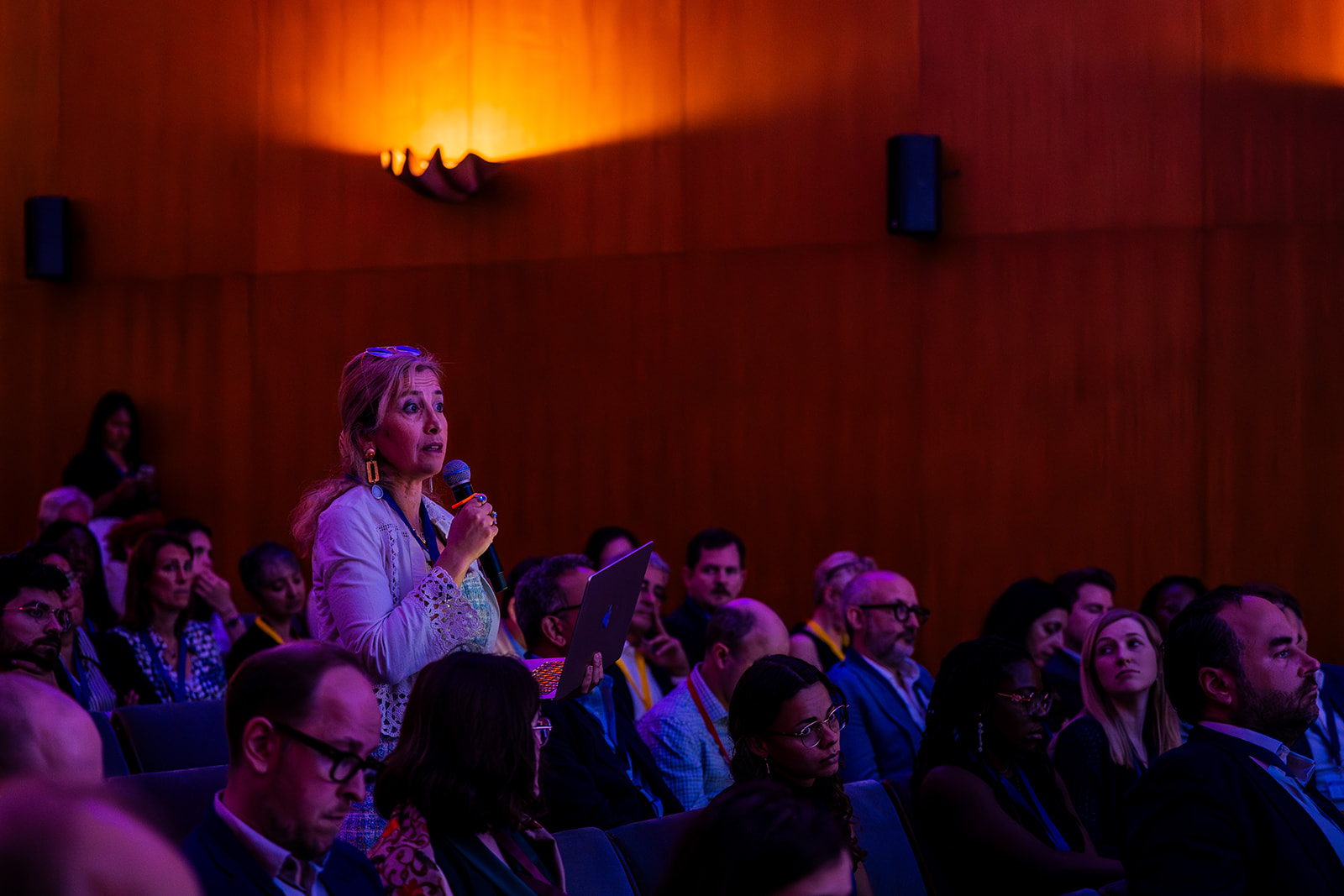
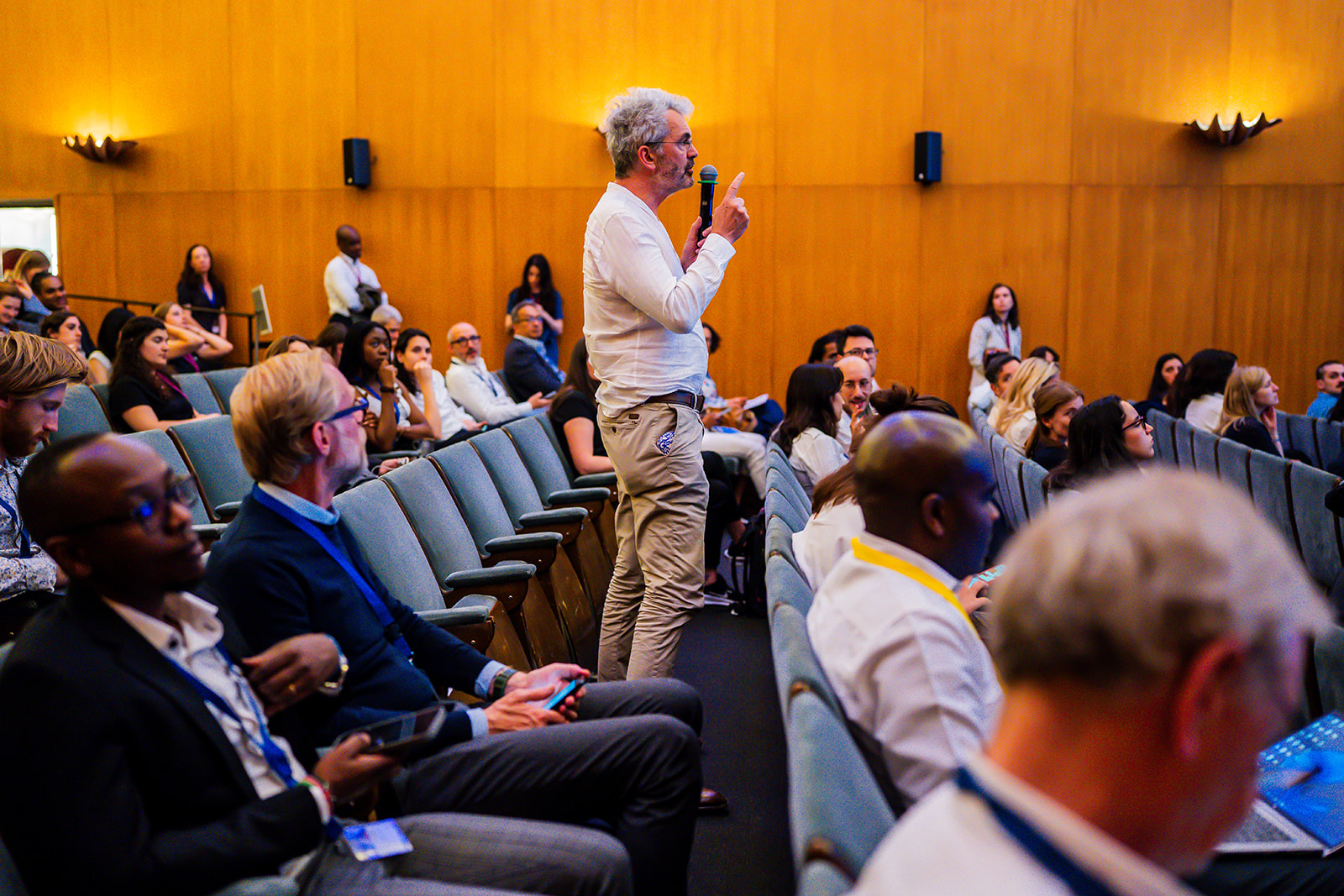
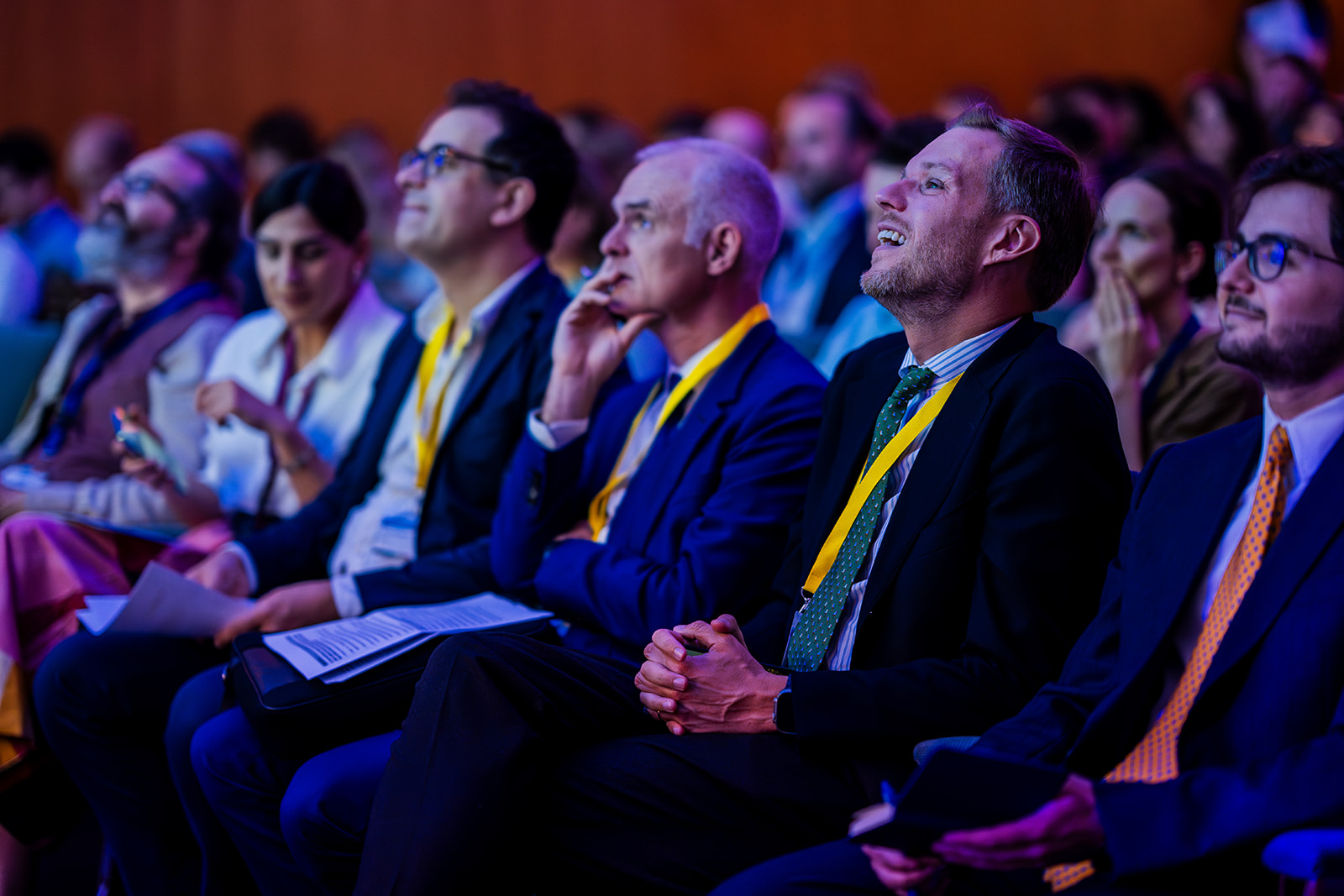
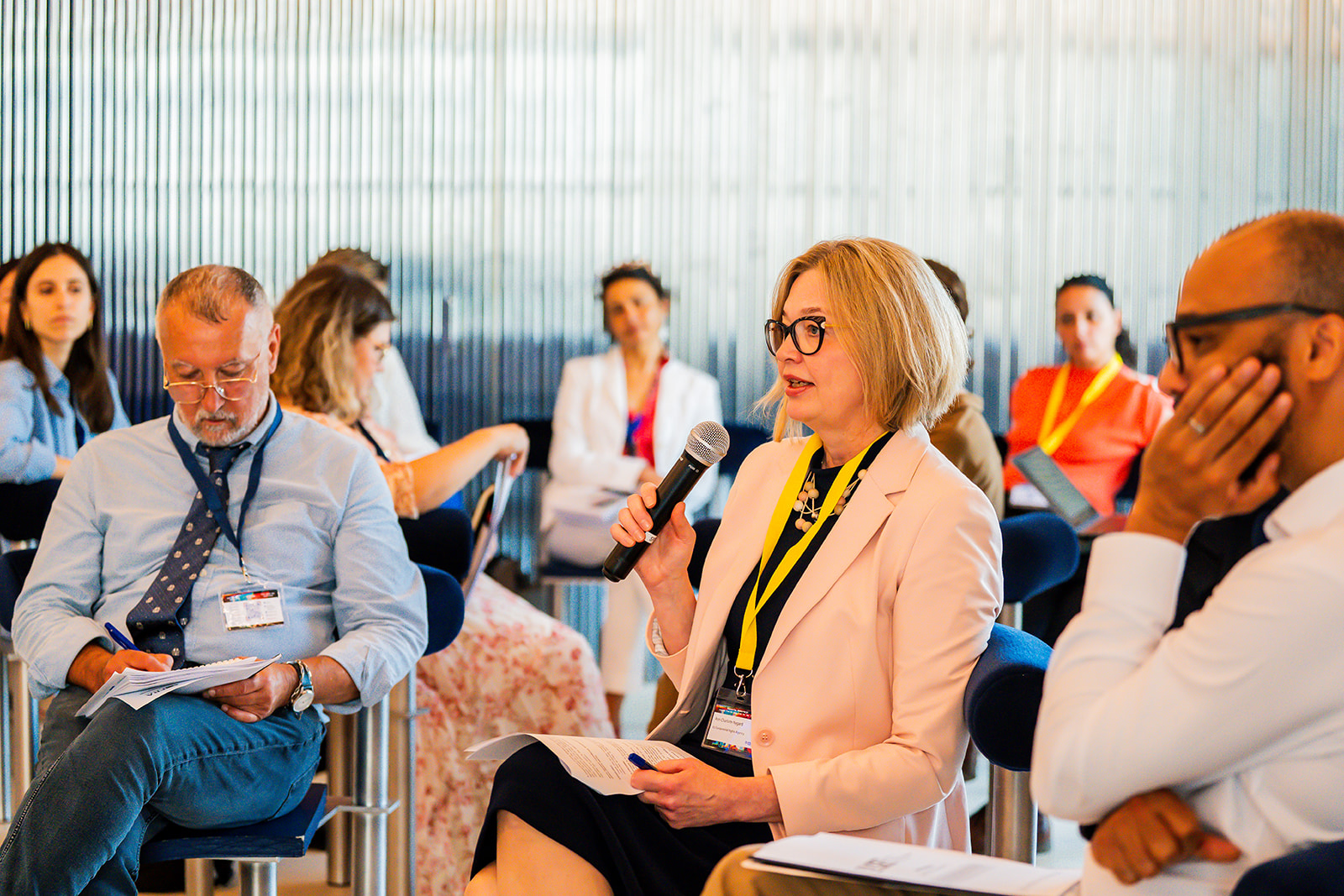
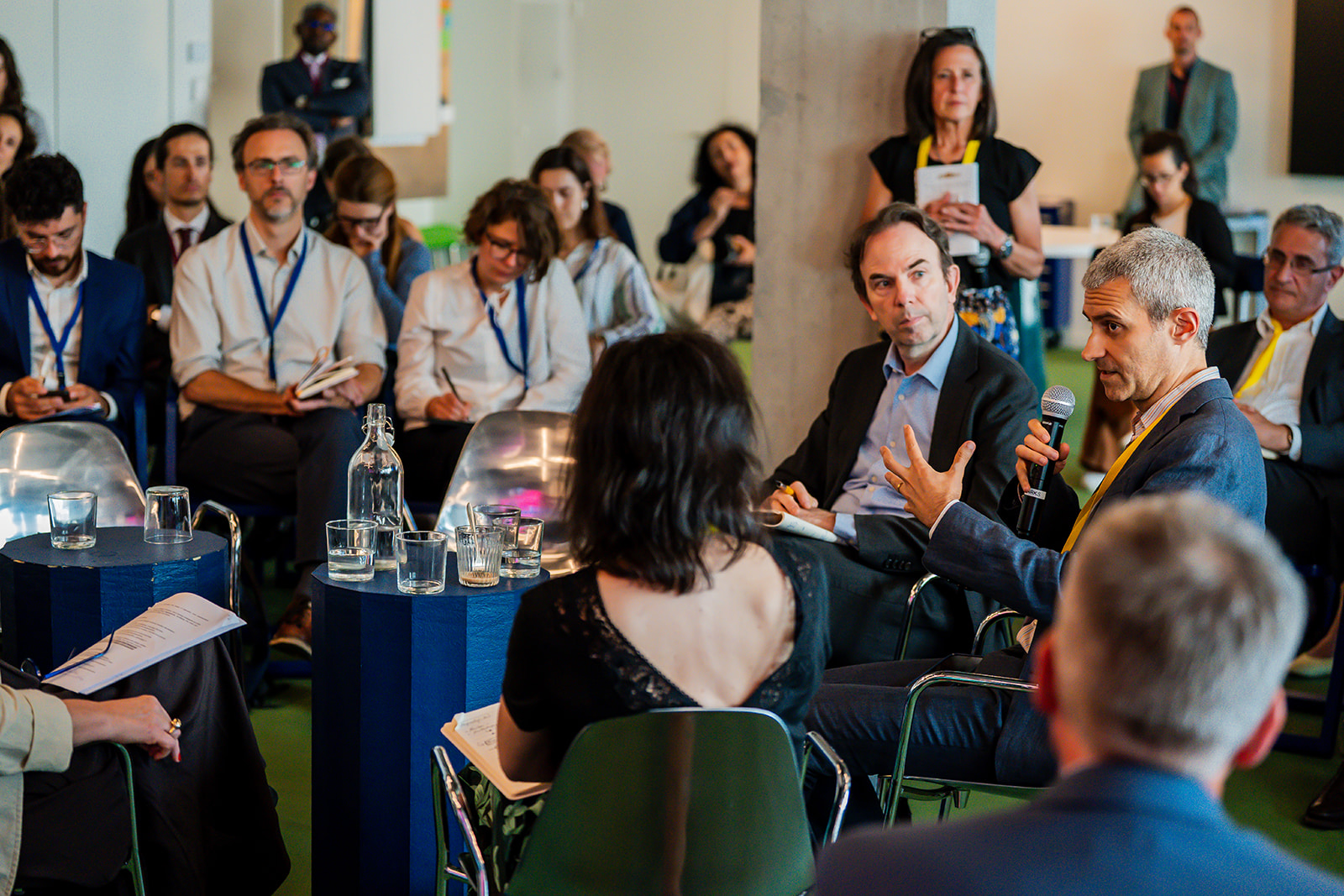
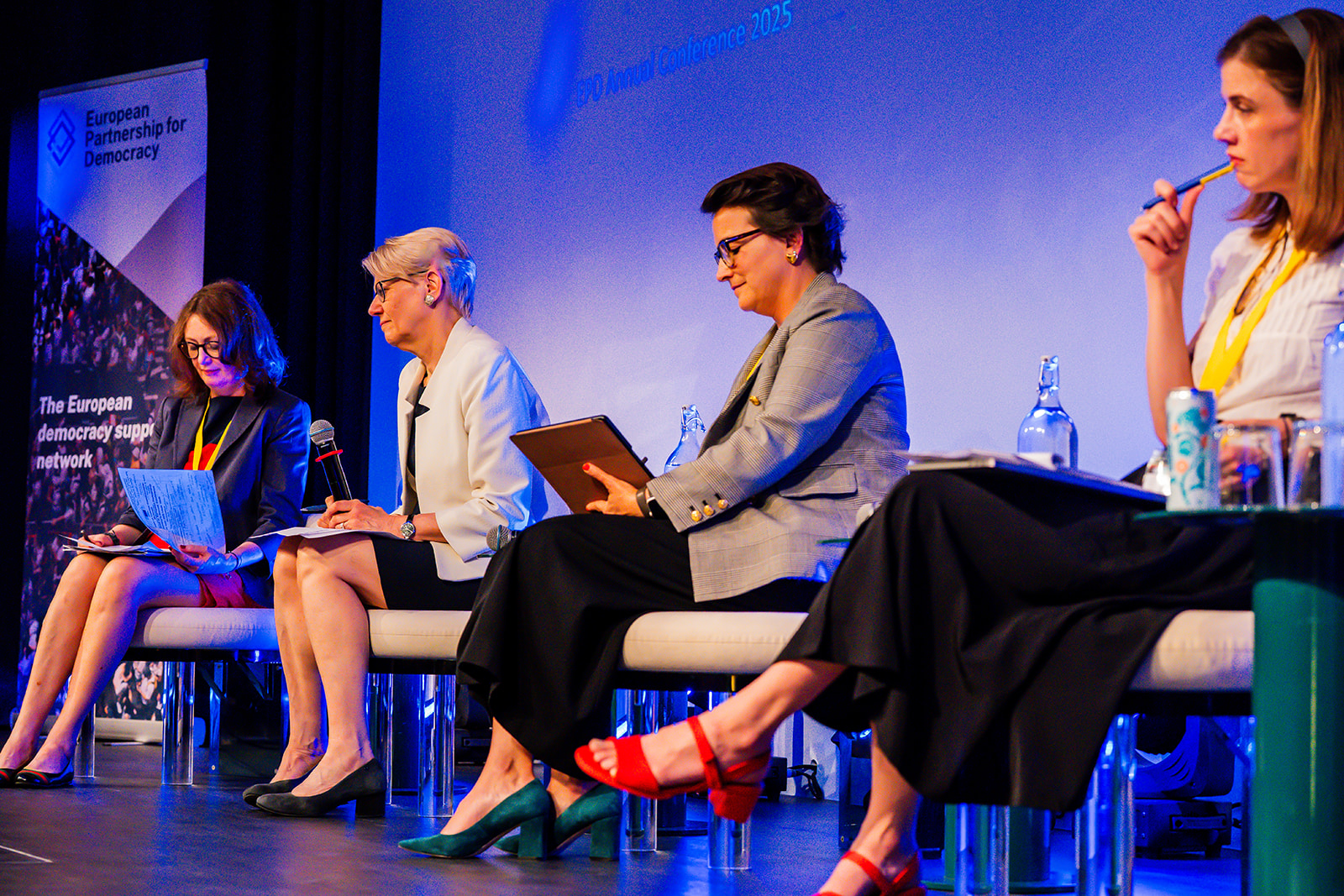
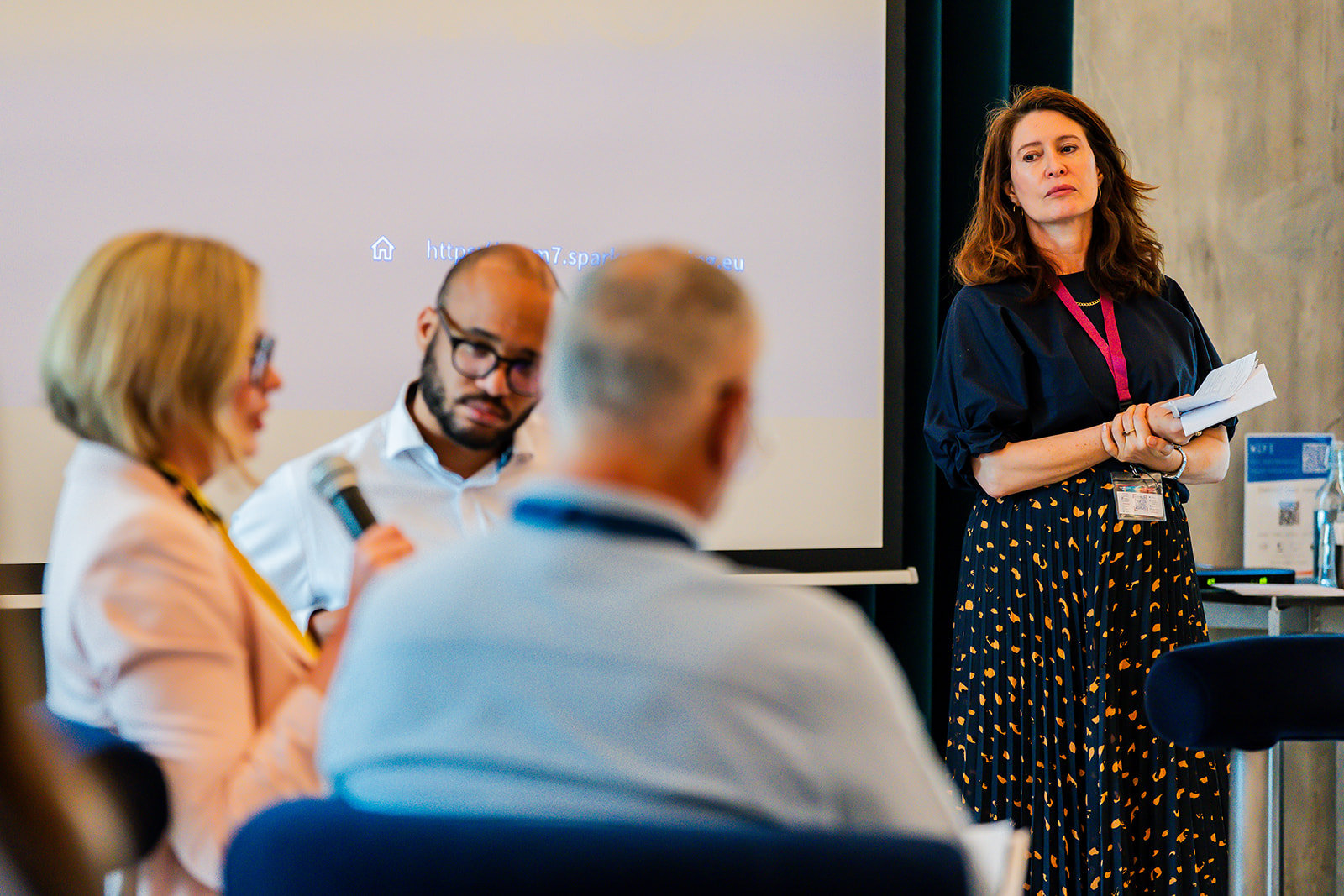
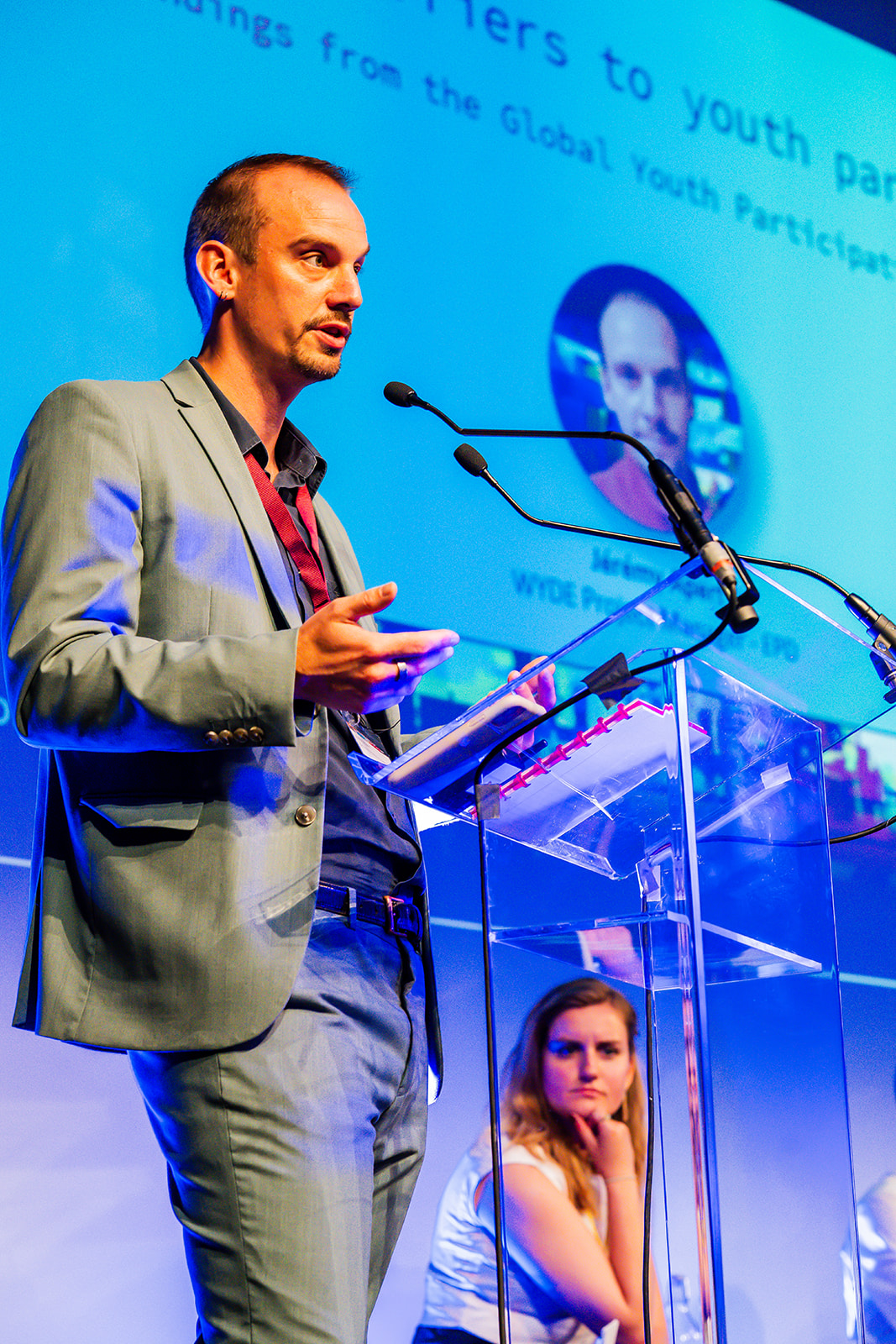
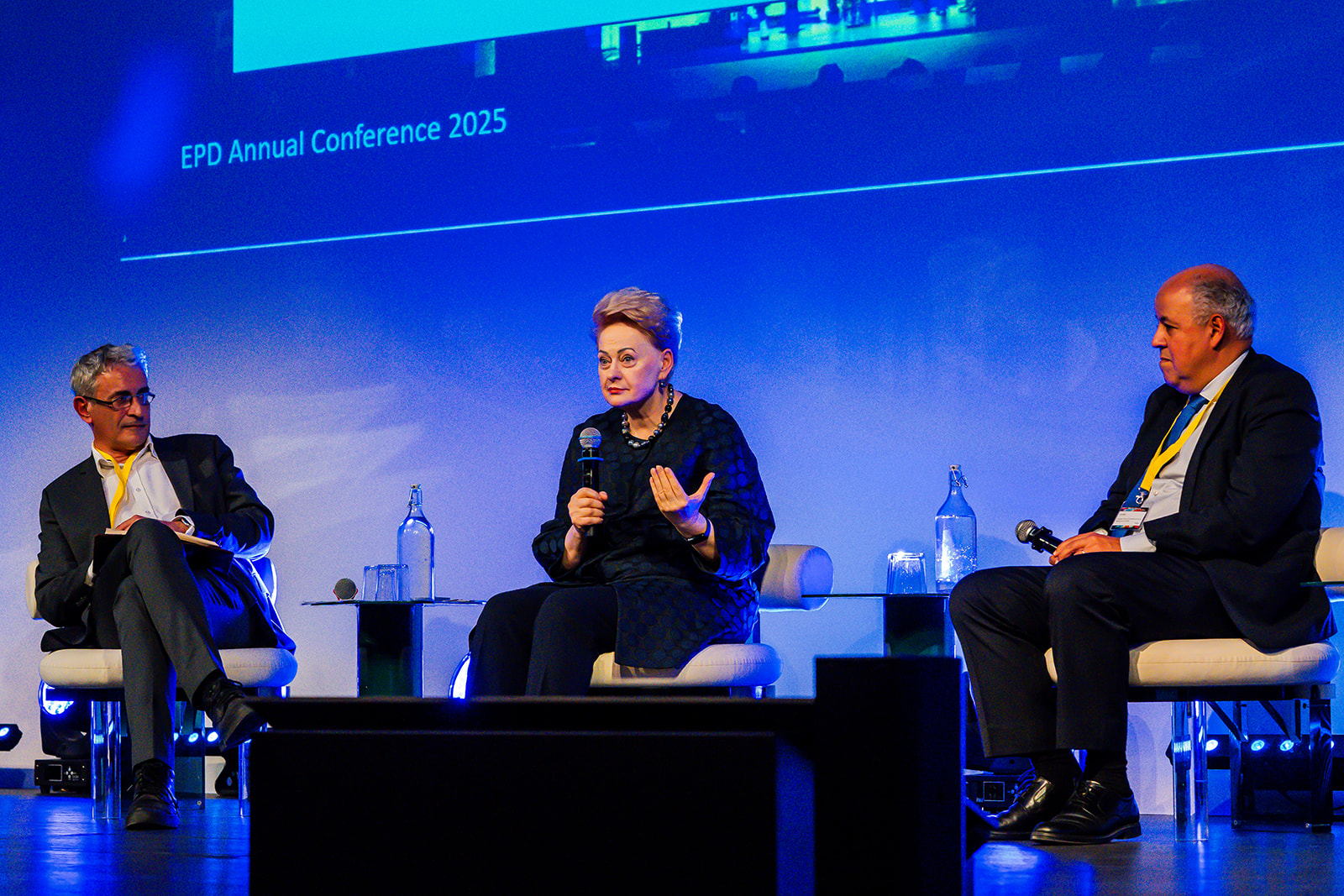
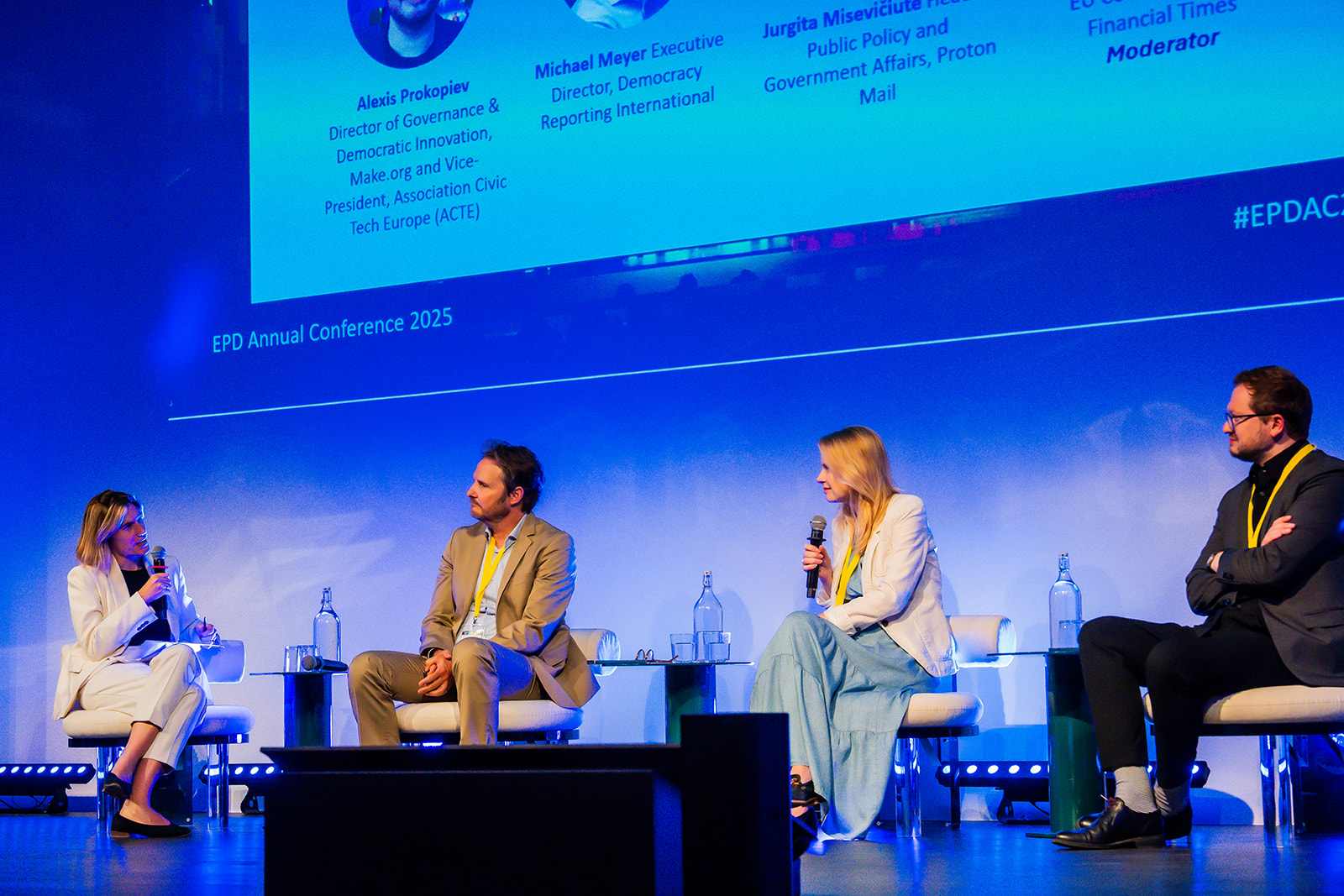
On the 6th of December 2024, the European Partnership for Democracy (EPD), the Kofi Annan Foundation and International IDEA organised our first policy discussion on the European Democracy Shield (EDS), hosted by the European Economic and Social Committee (EESC).
Through the European Democracy Shield, the new European Commission, aims to address threats to democracy such as foreign information manipulation and interference online, by enhancing media literacy, fact-checking, and enforcing the Digital Services Act and the AI Act. The discussion with representatives of the EU institutions and civil society brought diverse and insightful perspectives which will be instrumental in crafting a truly effective shield.
It emerged from the discussions that the EU should take a holistic approach to the EDS, addressing internal and external threats to EU democracy. It is equally important to counter foreign information manipulation and interference and also take steps towards civic and institutional resilience. This includes a robust implementation of digital legislation such as the Digital Services Act or the AI Act, stepping up action and coordination in the field of media literacy, fact-checking and providing support for independent journalism as essential components of the Shield. The initiative should also address attacks on democratic institutions and processes, the rule of law and civil society.
The EDS could also be a tool to protect and promote democracy beyond the EU borders, especially in candidate countries for membership of the European Union. Recent events have shown how malicious actors have tried to undermine democracy, the support of the EU and its founding values in those countries. The EDS could represent an opportunity for the EU to step up its support to defend the political systems of enlargement countries by fighting cyberattacks in election campaigns, combatting disinformation, and strengthening electoral observation.
The European Partnership for Democracy and the democracy support community welcome this very timely initiative of the new European Commission. Along with other allies, we look forward to helping the Commission develop an effective and impactful European Democracy Shield.
The ongoing trend of democratic erosion around the world has led academics and policymakers to increasingly ask how to insulate political systems from authoritarian subversion and strengthen their democratic resilience.By most counts, democracy suffered a 20-year recession that left no region of the world untouched. While many authoritarian states have become more repressive, a wide range of democracies – including those in the global north – have had their images tarnished. In addition to undermining the rights and liberties of millions of citizens, this process has significantly complicated the challenge facing pro-democracy citizens, policymakers, civil society groups, and international donors in several ways.
Domestically, fewer citizens are convinced than in the past that democracy is the best system of government to deliver development and security, in part because a new wave of populist leaders has told them that it does not. Internationally, the growing number of authoritarian states has emboldened would-be autocratisers and made it even harder to build international and regional consensus around the value of democracy. At the same time, intensifying international competition between Western states and countries such as China and Russia means that the temptation to trade democracy off against other foreign policy goals is strong. New technology is also complicating the battle for democracy, which must now incorporate efforts to counter disinformation and build societal consensus around agreed facts. As a result, it is even harder to foster and sustain democratic values and institutions than in the early 1990s.
New focus
There is also a somewhat different focus on the work of many civil society groups, policymakers, and donors today. In the 1990s, the democracy community focused mainly on helping transitions to democracy in what had previously been authoritarian regimes or ensuring that such transitions did not stall. The core assumption underpinning this approach was that democracy was in the ascendant and that, according to researchers, “once consolidated, democracy is a stable or resilient political system”. The last two decades have demonstrated that this assumption is deeply misleading, and there are growing concerns about democratic erosion in what were once called established democracies. There has therefore been a rapidly escalating focus on democratic resilience in both academic research and the projects and priorities of pro-democracy organisations and funders.
At its most basic, democratic resilience refers to the ability of a political system to withstand and adapt to challenges, threats, and crises without compromising its core principles, institutions, or processes. This concept involves maintaining the integrity of democratic governance, including the protection of civil liberties, the rule of law, free and fair elections, and political pluralism, even in the face of internal or external pressures. There is also a growing recognition that resilience includes the ability of political systems to modify their structures and processes to make them more robust – and more truly democratic.
The new stress on protecting democratic systems from attack has led to a greater emphasis on the concrete measures that can be used to insulate constitutions and democratic institutions from subversion from both outside and inside the political system. This has involved discussions of the merits of increasing the threshold required to change fundamental aspects of the system and a strong emphasis on enhancing the independence of the judiciary so that it can reject unconstitutional actions and legislation. There is also a growing focus on resistance as a potentially critical and distinctive element of democratic resilience and, hence, on ways to support individuals and groups that may come to play key roles in resisting autocratisation, including students, faith-based organisations, and urban residents.
How to Strengthen Democratic Resilience
Yet, despite growing research on the efficacy of these measures and other important questions, such as the relationship between citizens’ attitudes and democratic stability and how to insulate states against coups, much remains unknown about how resilience works and can be strengthened. There has also been relatively little thinking about the relationship between specific acts of resistance and systemic resilience as well as insufficient crossover between the emerging findings of academic studies and the policy community. A report from the European Democracy Hub seeks to bridge this gap, aiming to enable activists, civil society groups, policymakers, international donors, and researchers to better understand democratic resilience by:
explaining what democratic resilience is and why it matters;
providing guidance on the most effective ways to strengthen resilience;
communicating recent academic research findings to a broader audience; and
highlighting important areas for future research.
Taking an in-depth look at autocratisation and its remedies, the report offers five main lessons about how to reconceptualise and defend democratic resilience. These lessons are particularly relevant for civil society groups and the global democracy community.
This report was produced with the financial support of the European Union. Its contents are the sole responsibility of the authors and do not necessarily reflect the views of the European Union.
Social media has become a vital space for political discourse, community engagement, and activism. Yet, its lack of robust accountability and moderation has allowed hate speech to flourish, often targeting women in public life and limiting their participation. To address this critical issue, All Rights Foundation (ARF), a civil society organisation based in Gyumri, Armenia, conducted research examining the impact of hate speech on women’s involvement in politics and public spaces.
This research is part of ARF’s project “Empowering Women: Digital Safeguarding Against Hate Speech,” implemented as a sub-grant within the broader “EQUAL – EU 4 Women Empowerment in Armenia” initiative, funded by the European Union. The project is a collaborative effort under the European Partnership for Democracy (EPD) and the OxYGen Foundation, with technical support from Democracy Reporting International.
Investigating gender-based hate speech in Armenian politics
DRI delivered a social media monitoring course to the ARF designed to help them understand and confront online hate speech. The training spanned four interactive modules that covered both the theoretical and practical aspects of social media monitoring, providing participants with the skills necessary to design, implement, and analyse research on online hate speech. ARF conducted an in-depth investigation into the prevalence of gender-based hate speech targeting prominent women in Armenian politics. This research focused on how public discourse online is shaped by gender biases, political tensions, and misinformation. Using both qualitative and quantitative research methods, the ARF team, supported by DRI’s Digital Democracy team, produced a comprehensive report that not only highlights the scale of the problem but also offers solutions for mitigating online hate speech.
ARF’s research uncovered several significant trends and patterns in online hate speech, particularly directed at women in public life. These findings not only shed light on the prevalence of hate speech but also reveal the complex ways in which political tensions, societal biases, and misinformation interact to fuel gender-based discrimination.
Key findings: the nature of hate speech against women in Armenia
One of the most striking findings from the research is the strong connection between Armenia’s political situation and the volume and intensity of hate speech. During periods of political upheaval—such as elections, protests, or crises—online activity increases dramatically, leading to a spike in hateful and aggressive language. This is particularly true for posts discussing political topics, where female political figures are often targeted with vitriolic comments. Women in politics, especially those holding official positions or expressing strong political views, face the highest levels of engagement in online discussions, with many of these interactions being hostile. The study also noted that the vocabulary used in hate speech intensifies during periods of national tension, with users resorting to more emotionally charged and derogatory language. These hostile interactions reflect a broader trend in which political polarisation amplifies online hate speech, particularly against women who are seen as either embodying or challenging the status quo.
Comments collected in 2021, the year following the Second Nagorno-Karabakh War. The most hateful comments were recorded against the backdrop of street struggles, and election processes. Screenshot from the report.
The manifestations of hate speech in Armenia’s online space are diverse and alarming. In the collected material, a significant portion of the comments consisted of demeaning, humiliating, and mocking expressions. These were often accompanied by calls for violence, sexual insults, and hostile remarks based on discriminatory attitudes toward gender, national and religious identities, sexual orientation, appearance, family status, disability, and political views. One troubling aspect of this hate speech was the frequent targeting of women’s families, with commenters directing curses or threats toward their children, parents, and even husbands or brothers.
Another disturbing trend identified in the research was the use of conspiracy theories and misinformation to target women in public life. During times of change or crisis—such as the consideration of new laws or emergency situations like the pandemic or the escalation of conflict—online hate speech often becomes entwined with conspiracy theories. Women who are outspoken or in positions of power are frequently accused of being part of shadowy international networks or pursuing divisive agendas, with commenters presenting fabricated “evidence” to support their claims.
The research also found that hate speech is sometimes accompanied by conspiracy theories and misinformation, often during times of change, such as when new laws are being considered or adopted, or during emergency situations like the escalation of conflict, war, or a pandemic. Screenshot from the report.
Addressing the gaps: legal and policy reforms
ARF has uncovered critical gaps and challenges within Armenia’s legislative framework for combating online hate speech against women. Despite ongoing initiatives, the lack of comprehensive laws specifically addressing digital hate speech remains a pressing concern. Existing legal provisions are often too broad and vague, failing to provide clear definitions of hate speech. This lack of clarity complicates enforcement efforts and undermines effective responses to the widespread targeting of women in online spaces.
These are some of their highlights:
How has the research supported your advocacy efforts?
The research from the “Empowering Women: Digital Safeguarding Against Hate Speech” project has been a cornerstone in enhancing our advocacy work. It has provided detailed insights into the alarming spread of hate speech, particularly in the Armenian media landscape, where social media platforms like Facebook and YouTube serve as key arenas for public discourse. By analysing the comment sections of posts, we’ve identified how hate speech, especially targeting female public and political figures, takes root and proliferates. This visibility not only amplifies the damage but also expands its reach beyond geographical boundaries. Armed with this data, we’ve been able to push for stronger moderation practices in media outlets and highlight the need for responsibility, as seen in the positive example set by the Media Ethics Observatory’s code of conduct. This evidence-based approach has empowered us to advocate for reforms that aim to both prevent and mitigate hate speech against women in the digital sphere.
How is the outreach on the findings going in terms of supporting reforms in the field?
The outreach efforts have been met with positive engagement. We’ve successfully disseminated our findings through collaboration with civil society organisations and policymakers, aiming to foster a greater understanding of the nature and roots of hate speech against women. By highlighting the extensive impact of unmoderated hate speech in social media comment sections, we’ve encouraged media organisations to adopt more proactive content moderation policies. The example of the Media Ethics Observatory, with over 80 media outlets adhering to their code of conduct, has been a strong point of reference in our advocacy. While challenges remain, particularly in the enforcement of these policies and ensuring sustained commitment, our findings have provided a solid foundation for promoting reforms aimed at safeguarding women from online harassment.
Do you have any reflections on changes you’ve noticed compared to your previous work?
One of the key differences in this project compared to our previous work is the comprehensive nature of the research and its focus on social media platforms as both a public forum and a breeding ground for hate speech. The data collected from the comment sections of Facebook and YouTube posts has revealed the transactional model of communication at play, where hate speech is often spontaneous and undirected but highly harmful. This has sharpened our understanding of the need for media outlets to not only take responsibility for their content but also for the discussions that arise from it. The inclusion of focus group discussions and interviews with gender experts and media professionals has also enriched our approach, making it more holistic. We’ve observed increased awareness among stakeholders, and there’s now a more focused dialogue on the importance of moderating hate speech, especially in media-driven online spaces. This shift, supported by our data and recommendations, represents meaningful progress in addressing the issue.
“EQUAL – EU 4 Women Empowerment in Armenia” project is implemented by OxYGen Foundation, European Partnership for Democracy NGO, Netherlands Helsinki Committee NGO, Women’s Support Center NGO, WINNET Goris Development Foundation in cooperation with Winnet Sweden NGO. The project is funded by the European Union.
The project “Empowering Women: Digital Safeguarding Against Hate Speech” is a sub-grant implemented by ARF within the “EQUAL – EU 4 Women Empowerment in Armenia” project.
DRI’s role was to provide a capacity development programme on social media monitoring and research support. More on their methodology and coursework can be found here.
As the new College of Commissioners of the European Commission takes office today, EPD and its membership would wish them all the best for the challenging five years ahead.
Democracy faces an array of grave challenges, globally as well as within the EU’s own borders. 2024 has been a mega-election year and while millions of people, in the EU and abroad, freely expressed their choices at the ballot box, several worrying trends have emerged or been highlighted at the same time.
The outgoing Commission took important steps towards tackling democratic backsliding in Europe in recent years, including the European Democracy Action Plan, the European Media Freedom Act, the Regulation on the Transparency and Targeting of Political Advertising (TTPA), the Digital Services Act (DSA), the annual rule of law report, an EU-level human rights sanctions regime and other initiatives. All of these efforts must be built upon and taken further in the coming mandate.
The European Commission President has laid out very ambitious plans for this legislature, including making the EU more competitive, deepening the Capital Markets Union, creating the European Defense Union, a new European Internal Security Strategy, a European Affordable Housing Plan, an EU anti-poverty strategy and staying on course with the Green Deal. For these initiatives to succeed, democracy and the EU’s founding values must be put at their very core. We have seen in recent years how the rise of authoritarian powers has complicated the EU’s policy agenda in myriad ways.
As a community of European democracy support organisations, we call on the new College of Commissioners to place democracy, at home and abroad, at the top of the policy agenda in the Union for the duration of their mandates and beyond. We will be there to support these efforts in the next 5 years.
The new European Commission needs to ensure that the key values of the EU – democracy, human rights and rule of law – are not only referred to in words but are also strategically implemented and sufficiently financed. It is crucial that the EU is coherent in vocalising its role as the global defender of democracy over the next five years.
Anu Juvonen, President of the European Partnership for Democracy and Executive Director at Demo Finland
As a democracy support organisation, we call upon the new European Commission to prioritise the strengthening of democratic institutions, the promotion of civic participation, and the safeguarding of human rights. Over the next five years, a dedicated focus on combating disinformation, supporting freedom of expression and inclusive governance will be critical to upholding and advancing the rule of law and democratic values across the EU and beyond.
María Elena Agüero, Secretary-General, Club de Madrid
We urge the European Institutions to prioritise human rights, democratic resilience, and the strengthening of civic space. We call upon the European Commission to provide solid support to civil society and grassroots movements, show more vigilance when rule of law is backsliding, and to foster inclusive governance. Together, let’s build just, rights-respecting societies in all their diversity.
Joeri Buhrer Tavanier, Executive Director, Netherlands Helsinki Committee
Freedom of information is the oxygen of democracy. We call on the new European Commission to prioritise media independence, enhance media literacy, and support access to reliable information. In the next five years, we look to the EU to amplify efforts that empower local media, counter disinformation, and foster inclusive, informed public dialogue across Europe and partner countries.
Alan Dreanic, Deputy Managing Director, CFI Media Development
While the EU must work to protect democracy within, it must not forget that democracy remains a universal aspiration that is increasingly being rolled back around the world. The EU has a treaty obligation to promote democracy abroad, but it is also a reflection of its values and integral to its interests to support democrats and democracy, the system most conducive to peace, inclusive development, and the respect of human rights.
Corinne Momal-Vanian, Executive Director, Kofi Annan Foundation
These are stormy times for democracy around the world. The EU should become a lighthouse for democratic values, providing orientation and concrete support. Democracy is not only a value, it is also a core interest. A world of authoritarian rulers endangers our security. We expect the EU to speak and act honestly and realistically in favour of democracy.
Michael Meyer-Resende and Nicola Schmidt, Executive Directors, Democracy Reporting International
Democracies foster stability by promoting inclusiveness and ensuring all voices are heard, facilitating peaceful coexistence and thriving societies. However, democracy is under threat. The EU is the foremost supporter of democracy globally and will need to continue to support a culture of dialogue worldwide, specifically focusing on youth and women. Civil society stands ready to continue on this mission as your partner in an area that is so vital for our security and prosperity.
Tijmen Rooseboom, Executive Director, Netherlands Institute for Multiparty Democracy
Stopping and then reversing global democratic decline matters if we are to navigate the coming geopolitical, climatic, and technological transitions. This Commission should lead European efforts to support local leaders around the world to rebuild trust so that accountable and inclusive democracies – bolstered by commitment to international rule of law – can deliver services and security for their communities.
Anthony Smith, Chief Executive, Westminster Foundation for Democracy
We want a Commission that will collectively recognise, work and protect democracy as essential for citizens living together in Europe. We want clear, resolute and determined support for it. This means being leaders in democracy in Europe and around the world, underpinned by support for local actors as well as active and involved civil society.
The European Partnership for Democracy joins CDT Europe and a coalition of civil society organisations in their call on Very Large Online Platforms (VLOPs) and Very Large Online Search Engines (VLOSEs) to publish all information about the risk assessment and auditing processes under the Digital Services Act (DSA).
Meaningful transparency of risk assessments and audits enables external stakeholders, including civil society organisations, researchers, journalists, and people impacted by systemic risks, to scrutinise the assessment and ensure it is more than merely a “tick box” exercise. Transparency is crucial for explaining how exactly the risk assessment may have influenced Very Large Online Platforms (VLOPs) and Very Large Online Search Engines’ (VLOSE) design and development of their services, including algorithmic systems.
As per Article 42(4) of the DSA, VLOPs and VLOSEs must publish extensive documentation of the risk assessment and auditing process, including a report on the results of the risk assessment, the specific mitigation measures implemented, and audit documentation, including the audit report and implementation report. While the DSA does not explicitly require the publication of the entire risk assessment, Recital 100 emphasises the importance of comprehensively reporting on risk assessments, considering the heightened risks related to the functioning of VLOPs and VLOSEs.
VLOPs and VLOSEs should therefore publish all information about the risk assessment and auditing processes that makes it possible for stakeholders to meaningfully evaluate the results of the assessment (i.e., the completeness and accuracy of the identified risks and corresponding mitigation measures) as well as the methods used. This will ensure that multiple perspectives can identify potential gaps and unaddressed risks, assess whether mitigation measures are appropriate and uphold fundamental rights, as well as learning and sharing best practices to raise the general standards of risk assessment and mitigation. It is widely accepted that implementation of the DSA must build on joint learning and expert collaboration. These annual risk and audit reports are one of the key ways by which external actors can do that. It is therefore vital that we have the information we need to make meaningful contributions.
Specifically, we expect VLOPs and VLOSEs to publish, as a minimum, the following information regarding risk assessments:
1. A detailed methodology of the risk assessment, including:
The definition of the assessment scope, identifying relevant boundaries of assessment, addressing applicable services to evaluate, and assessment frequency.
The definition and the threshold adopted by platforms for classifying a risk as “systemic”, and what criteria were used to assess this;
How systemic risks listed in Article 34(1)(c) and (d) were defined and what approach was taken to assess them;
Technical approaches, metrics, and benchmarks adopted, and whether there were key technical implementation challenges for DSA risk assessments. This should include descriptions of the following factors:
Data Collection, e.g., establishing appropriate and relevant metrics and data, including how on- and off-platform data was used. Where relevant data was not available, this should be stated.
Strategies and systems to identify false positives and false negatives in identifying risks, and how the impacts of false positives versus false negatives were weighed and the process adjusted accordingly.
How risk scoring processes and metrics were developed, including whether these were used consistently and/or differed depending on context.
Whether any additional assessments were conducted besides the annual one and if so, what were the grounds for making this decision.
How the VLOP or VLOSE’s previous, or other in-use, risk or impact assessment processes and methodologies were drawn upon.
Any real or hypothetical case studies used.
2. A detailed mapping and description of the assessed service and its overall structure, including for any algorithmic or advertising systems, so the public can understand the platform’s architecture, its functioning, and the interdependence between its different systems or elements.
For algorithmic systems the description should include, the purposes and key design specifications of each assessed system, including the system’s general logic, the rationale and assumptions made with regard to potentially-affected persons or groups of persons, the main classification choices (including if these are deterministic or use a statistical model, and if so information about the functioning of these), what the system is designed to optimise for and the relevance of the different parameters, and the decisions about any possible trade-offs; e threshold adopted by platforms for classifying a risk as “systemic”, and what criteria were used to assess this;
3. Identified risks, including an explanation of which risks were prioritised in the assessment and mitigation and why, a classification of the risks, and a clear indication of which part(s) of the service they stem from;
Also a clear explanation of any decisions made to prioritise or weight certain risks over others.
4. Measures or actions already taken, or to be taken, following the assessment, including:
Any mitigation measures adopted for each risk, as per Article 42(4)(b), including those adopted following the audit, and how their impacts are being monitored and assessed (including potential negative impacts on fundamental rights);
Any decision to abandon the launch of new products or features because it was considered that their risk to fundamental rights could not be effectively mitigated;
How the threshold of unacceptability was defined for other systemic risks and which risks were assessed as unacceptably high;
For risks assessed as “unacceptably high”, an explanation of steps taken by the platform to prevent them materialising, e.g., changing the design of the service, discontinuing a specific system or policy, refraining from introducing a new system or policy, or hiring/training staff.
5. Which internal departments, teams, experts were involved in the assessment, including the level of seniority responsible for approving the assessment and implementing the audit and what forms of expertise were decided to be the most relevant for conducting different areas of the assessment.
6. Which external stakeholders were consulted as part of the risk assessment, when and how they were engaged with, and any outcomes of these consultations, including any details of how the VLOP or VLOSE responded to external stakeholders’ input and integrated it in their assessment and mitigation measures, or more generally in their services and activities.
Platforms should indicate if they conducted stakeholder consultations specifically for the risk assessment in question and what this process looked like including indicating the size and type of consultations and the types of participants, e.g., users, potentially impacted groups, civil society representatives and independent experts (as outlined in recital 90). If they engage with stakeholders on a continuous basis, they should explain how exactly these consultations influenced the risk assessment and mitigation processes and how they informed stakeholders about the measures implemented as a result of their input.
7. Plans or proposals for changes to the process of the next risk assessment(s), including the annual assessments and any upcoming new functionality assessments, with the grounds for these changes as well as broader lessons learned from this first round of assessments.
Audit Reports
When it comes to audit reports and audit implementation reports, we expect VLOPs and VLOSEs to publish:
The full audit report, or at least the part relating to the evaluation of identified risks and the appropriateness of mitigation measures, and relevant recommendations;
The full implementation report, especially explanation why the respective VLOPs and VLOSEs chose not to implement certain recommendations and how they chose to address the identified issues instead.
We also expect that in audit reports auditors will take note of the requirement in the template under the delegated act on audits that “the information provided should be complete and detailed such that a third party with no previous connection with the audit is able to understand the description of the findings,” drawing on but not limited to the specifications in Recitals 19-36 of the delegated act. In addition to understanding the descriptions, complete and detailed information is vital to build trust and the opportunity to provide constructive input. This information should include, at minimum:
How relevant expertise, including in the field of fundamental rights, was employed by the auditing firm (including via subcontracting);
Comments on availability, or not, of relevant data and evidence;
Any issues in communication or working with audited platforms during the audit process, and how (if at all) these were addressed;
Comments on organisational aspects of VLOPs and VLOSEs which are relevant to the effectiveness of risk assessment and mitigations, such as reporting structures and staffing;
Where external resources were used, how these were searched for / located and deemed relevant;
Plans or proposals for changes to the process of the next audit(s), with the grounds for these changes as well as broader lessons learned from this first round of audits.
Signatories:
Access Now Algorithm Watch ARTICLE 19 Centre for Democracy and Technology Europe Civil Liberties Union of Europe Das NETTZ Eticas Foundation European Centre for Non-for-profit Law European Partnership for Democracy Future of Free Speech Global Disinformation Index Global Witness Institute for Strategic Dialogue (ISD) International Media Support Mnemonic Panoptykon Foundation People vs Big Tech
The European Commission President Ursula von der Leyen’s political guidelines and the Mission Letters for the Commission candidates already gave a sneak peek of what’s in the pipeline for democracy, with the announcement of the creation of a European Democracy Shield.
As this important initiative is now on the drawing board, democracy organizations,civil society experts, and other stakeholders are called to provide their perspectives on the priorities they see for the initiative and what thematic and geographic scope it should take to be effective.
Master of Ceremonies: Marilyn Neven, Head of EU Liason, International IDEA
Welcome speech by Oliver Röpke, President of the EESC
Address by Anu Juvonen, President, European Partnership for Democracy
Address by Corinne Momal-Vanian, Executive Director, Kofi Annan Foundation
9:20 Keynote speech by Irena Moozová, Deputy Director General, Directorate-General for Justice and Consumers, European Commission
9:40: The thematic scope of the European Democracy Shield – Panel discussion followed by interaction with the audience
Alexandra Geese, Member of the European Parliament, Greens/EFA
Cristian Pîrvulescu, EESC Member
Julie Majerczak, Representative to the European Institutions, Reporters Without Borders
Moderated by Ken Godfrey, Executive Director of the European Partnership for Democracy
10:50: Coffee Break
11:20: The geographic breadth of the European Democracy Shield
Alberto Fernández Gibaja, Head of Programme Digitalization and Democracy, International IDEA
Jacob Tamm, Deputy Head of Division Information Integrity and Countering Foreign Information Manipulation and Interference (FIMI), Directorate for Strategic communication & Foresight, European External Action Service
Marilyn Neven is Head of EU Liaison at International IDEA. Her main role is to reinforce International IDEA’s relations with the European Union as a key partner of International IDEA. Through her work on advocacy for democracy and fundraising, she contributes to increasing the EU’s focus on democratic governance, advancing sustainable democracy and improving and consolidating electoral processes world-wide. Her programmatic work includes initiatives on the EU’s democracy agenda, the use of ICTs in democracy and elections, and political empowerment of women. She authored the policy brief “Codes of conduct on the rise: Fair and ethical campaigning online,” and co-authored the report on “Winning Elections the Right Way – Online Political Advertising Rules in Europe and Selected Countries Globally.” Neven contributes to the management of various EU-funded global programmes. She was acting Head of Programme of the EU-funded INTER PARES Parliaments in Partnership programme in 2019, until the project team was hired. She was special adviser to the Secretary-General of the Institute in 2015. Neven has a background in EU advisory roles for Belgian Ministers and previously worked at the European Parliament and Commission. She holds an LL.M. in European Legal Studies from the College of Europe in Bruges and a Law degree from KU Leuven. She has accumulated expertise on European affairs throughout her career and has lectured extensively on European affairs and democracy. She was KU Leuven VRG Alumni in de Kijker in 2016.
Oliver Röpke
Oliver Röpke was elected as the president of the EESC in April 2023. Member of EESC since 2009, Mr Röpke was the president of the EESC Workers’ Group, a member of the EESC Bureau and rapporteur of many EESC resolutions and opinions on employment and social policy, single market and innovation. Mr Röpke headed the Brussels office of the Austrian Trade Union Federation (ÖGB) and took on several senior positions including as ÖGB representative to the EU institutions, the Executive Committee of the ETUC, and an advisory member of the ÖGB federal executive board. Mr Röpke has a legal background and holds a law degree from the University of Vienna.
Anu Juvonen
Ms Anu Juvonen has worked for over 20 years in the field of democracy support, development policy and international affairs. She has lived and worked in Nepal, where she worked in the field of education; in Ethiopia, as an expert in community participation and gender; and in Sri Lanka, where she worked as a Head of Good Governance for an international NGO. She has worked as a consultant and a civil servant, and worked in CSOs, having varying roles, ranging from advocacy and campaigning to CSO coordination related to the EU presidency and the ASEM summit. She has held various board positions, ranging from being the vice-chair of an umbrella NGO with 300 members to being a board member of the EPD, and she has been a member of the Human Rights Delegation of the National Human Rights Institute of Finland since 2020. Anu has been with Demo Finland since 2014, first as a Director of Programmes and then as Executive Director (since early 2016). During 2021–2024 Ms Juvonen was seconded by the Government of Finland to the Council of Europe as a Policy Advisor, working on democracy and specifically on civil society matters.
Corinne Momal-Vanian
Ms Corinne Momal-Vanian is the Executive Director of the Kofi Annan Foundation. Previously, she worked in various senior positions and a variety of countries for the United Nations, most recently as Director of Conference Management at the United Nations Office at Geneva (2015-2020) and Director of Information (2010-2015). Ms Momal-Vanian served as Special Assistant to Kofi Annan in 2005 and 2006, traveling with him to some 20 countries as he worked to resolve crises, defuse tensions, highlight the plight of communities and individuals suffering from discrimination and abuses, build international cooperation and strengthen support for development and justice. She worked for a total of six years in the Executive Office of the Secretary-General, after serving in two regional economic and social commissions of the United Nations. Passionate about justice, gender equality, inclusion, innovation and learning, Ms. Momal-Vanian chaired the Steering Group of the International Gender Champions from 2016 to 2019 and was a co-organiser of the three editions of TEDxPlaceDesNations.
Alexandra Geese
Alexandra Geese has been a Member of the European Parliament since 2019 and is the digital expert for the Greens/EFA parliamentary group. She negotiated the extensive “Digital Services Act” which regulates digital platforms and social networks. Her main focus areas are democracy in the digital age, sustainable digitalisation, and gender equality. She is member of the Committee on Industry, Research and Energy (ITRE) and the Committee on Women’s Rights and Gender Equality (FEMM). In addition, she is a substitute member of the Committee on the Internal Market and Consumer Protection (IMCO).
Cristian Pîrvulescu
Since 2005, Cristian Pîrvulescu is Dean of the Faculty of Political Science at SNSPA Bucharest. He has coordinated important research programs: Political Parties and Doctrinal Orientations in Romania in the 90s (1995-1998), Democracy and Multiculturalism (1999-2000), European program Moress – Romanian Segmental (2002-2005). Between 1999 – 2005 he was a member of the jury of the Barometer of Public Opinion, a biannual survey conducted by the Open Society Foundation. Since 1999 he has been President of the ProDemocracy Association. Since 2003 he has been moderator of the Political Dialogues organized by the Prometheus Club. Since 2004 he has been President of AIRUE (Association for the Integration of Romania into the European Union), a network of Romanian and European organizations with a strong trade union imprint. He is a founding member of the Political Science Association and the Political Science Society. Since 1996 he has been a member of the Romanian Sociology Association. Since 2007 he has been a member of the European Economic and Social Committee.
Julie Majerczak
Julie Majerczak is the Reporters Without Borders Representative to the European Institutions. She has represented the international press freedom NGO at the EU level since May 2016. Before joining RSF, Julie was a journalist for 16 years. She moved to Brussels in 2002 to report on EU affairs for the French daily newspaper Libération for which she worked for ten years. She also reported for the French daily newspaper Le Parisien, RTL radio and the online media outlet Contexte. Before that, Julie worked in politics as an MEP assistant and as a political adviser to a French environment minister. Born in Paris, she has a Master in Law and is a graduate of Sciences Po Paris.
Ken Godfrey
Ken Godfrey is the Executive Director of the European Partnership for Democracy (EPD) and has led the organisation since 2015. Prior to joining EPD, Mr. Godfrey worked as an Electoral Advisor for the UN Integrated Mission in Timor-Leste. He has also worked for the European Union Police Mission in Afghanistan, at the European Parliament and as an external consultant for the European Commission. He holds a Master’s degree from the London School of Economics in Comparative Democratisation. Mr. Godfrey has also lived and worked in Argentina, Canada, China, Japan, Senegal and the United Kingdom.Ken Godfrey is the Executive Director of the European Partnership for Democracy (EPD) and has led the organisation since 2015. Prior to joining EPD, Mr. Godfrey worked as an Electoral Advisor for the UN Integrated Mission in Timor-Leste. He has also worked for the European Union Police Mission in Afghanistan, at the European Parliament and as an external consultant for the European Commission. He holds a Master’s degree from the London School of Economics in Comparative Democratisation. Mr. Godfrey has also lived and worked in Argentina, Canada, China, Japan, Senegal and the United Kingdom.
Alberto Fernandez Gibaja
Alberto Fernandez Gibaja’s work focuses on issues related with technology and democracy, with a special focus in Asia Pacific and Europe. His expertise and research covers the key aspects of how technology and democracy relate, both from the regulatory perspective as well as from impact of technology on the state of democracy. He has carried out research, advocacy and technical advice projects globally with these elements included. Previously, he worked as a Governance Officer for the United Nations Integrated Mission in Timor-Leste. He has also worked at the Club of Madrid, the Sierra Leone Red Cross Society, the Jordanian Regional Center for Conflict Prevention and the University of Alcalá He is a regular contributor and commentator in diverse media outlets, primarily on topics related to technology, democracy and online political campaigns’ policies and regulations.
Jacob Tamm
Jacob is an EEAS official and EU diplomat who joined the Information Integrity and Countering Foreign Information Manipulation and Interference Division in September 2023. Prior to that, Jacob served in different services at the EEAS HQ, including as Deputy Head of the US and Canada and the Regional Affairs Divisions. He has done several postings abroad, including in the EU Delegation in Nigeria, where he led the democratic governance/counter-terrorism team, and also served as a political advisor in the EU Delegation in Bolivia. Before joining the EU institutions, Jacob was posted in Swedish Embassies in Bolivia and Guatemala, where he was engaged on Sweden’s bilateral cooperation on issues related to peace security and democratic governance, and was also working for the UNDP/UNV in Brazil and various civil society organisations. Jacob is a graduate from London School of Economics and Political Science and the University of Sussex.
Alexis Prokopiev
Alexis Prokopiev is the Director of the Department “Governance and Democratic Innovation” at Make.org (an independent European civic tech organisation) since 2019 and the Vice-President of the Association Civic Tech Europe (ACTE). He leads the organisation’s department in Paris and Brussels. Alexis Prokopiev also taught Economics at Sciences Po Paris and worked for the French National Assembly, as well as for several NGOs.
Sébastien F. W. Brack
Sébastien F. W. Brack is a Senior Advisor – Representative to the European Union for the Kofi Annan Foundation. He leads the project “Reaffirming West Africa’s commitment to democracy and elections with integrity”. Sébastien provides policy advice and operational assistance to the Foundation on other projects and activities linked to democracy and elections and liaises with the European Commission in support of the Foundation’s activities. Prior to his advisory role, Sébastien was Head of Elections and Democracy at the Foundation. Before joining Kofi Annan’s team, Sébastien was an election campaign manager for a year, but most of his professional experience was earned in the field, as a delegate of the International Committee of the Red Cross (ICRC) in various countries in crisis or at war in the Middle East, Africa and Asia. Sébastien F. W. Brack is a graduate of Oxford University and the Diplomatic Academy of Vienna. He is a French and Swiss citizen but grew up around the world.
Sam van der Staak
Sam van der Staak is the Director of International IDEA’s Regional Europe Programme. His work focuses on responding to democratic developments in Europe, with a special emphasis on the topics of political parties, money in politics, and ICT in democracy.Van der Staak leads International IDEA’s representation to the European Union in Brussels. He has been involved in International IDEA publications on cybersecurity in elections, citizen movements, money in politics, and political party dialogue. He makes regular media contributions to national and international media.
Join us:
6 December, 9 AM
European Economic and Social Committee
Registrations for this event are closed.
If you have any questions about the event, get in touch with [email protected].
The impact of the Digital Services Act (DSA) across the European Union depends largely on the work of the national Digital Services Coordinators (DSCs). To understand how the law is translated into practice, EPD, together with Democracy Reporting International and Civitates held three focus group discussions with 12 stakeholders, including 8 DSC representatives from 6 member states. Our discussions highlighted several challenges in implementing the DSA at the national level:
Delays in passing national laws have led many DSCs to rely on informal enforcement, with political instability and budget issues slowing progress further.
Resource shortages and difficulties in recruitment compound the problem.
Confidence in the trusted flagger system is low, with the impression that the system has poorly designed incentives.
Collaboration with Civil Society Organisations (CSOs), critical for gathering evidence of non-compliance, is limited by funding and procedural obstacles.
Public awareness of the DSA remains insufficient, underscoring the need for targeted outreach and DSA awareness campaigns.
To address these challenges, we recommend, among other things:
Strengthening DSCs through targeted capacity-building initiatives, including training and practical resources.
Investing in public awareness campaigns to inform citizens about their rights and how to engage with the DSA.
Encouraging CSOs to form coalitions to advocate for the resources needed to support the enforcement of the DSA. These coalitions can work with donors to secure funding for digital rights projects and influence policy at both EU and national levels.
The European Partnership for Democracy and an informal coalition* of Civil Society Organisations led by Civil Society Europe and the European Civic Forum present the Mapping paper and the Options paper for a Protection Mechanism for Human Rights Defenders and Civil Society Organisations in Europe.
The papers aim to map the existing protection landscape and, based on the gaps and challenges, propose ways to build a stronger ecosystem for the protection of human rights defenders (HRDs) and civil society organisations (CSOs).
Why these papers?
The new Commissioner-designate for Democracy, Justice, and the Rule of Law has been requested to “work to strengthen protection of civil society, activists and human rights defenders in their work”. This is an important component of the Commissioner’s mission for the next four years and builds on signals over the past 18 months of the increasing need to sure up the protection of human rights defenders.
It is those individuals and communities who stand up and protect all our rights who find themselves increasingly under attack. Smear campaigns are launched, designed to confuse and sever trust, organisations have had their offices attacked and the number of lawsuits against human rights defenders is rapidly increasing.
While the European Union has guidelines to support human rights defenders from outside the EU and nearly a decade ago set up Protect Defenders to rapidly support human rights defenders at risk, nothing similar exists within the EU. Defenders find themselves illusively searching for support at a moment when they are also under severe stress.
What do the papers cover?
Mapping paper
This mapping document aims to provide a concise overview of the existing protection landscape in Europe in order to inform a short paper and potential policy options to be considered by the new European Commission, the Parliament and the Council of Europe. It looks at what exists and what the gaps are, who is protected, what are the main risks and what HRDs and CSOs would like to see.
Pathway to Protection paper
Supported by the Mapping paper, the Pathways to Protection paper is based on the gaps and needs in the system for HRDs’ protection in Europe and identifies critical elements and areas for reflection of different approaches. The paper is organised around options for a protection hub for Europe and focuses on structures to bring together various actors to create a protection system for HRDs and CSOs in Europe.
Both papers highlight existing expertise but point to the need for greater coherence to ensure a framework that provides:
Alerts and investigations so that human rights defenders can officially report attacks, triggering investigation and action; and
Rapid response ensuring holistic protection both as a preventive measure and immediately following an attack. Support might include physical, psychosocial, legal or digital protection.
What is next?
Over the next months, a concerted effort is needed to elaborate the components of an effective protection ecosystem for Europe. Realising this aim will ensure that human rights defenders are in a better position knowing that they can seek appropriate support when the risks of protecting rights are intensified.
* The coalition is composed of Civil Society Europe and the European Civic Forum (hosts); Amnesty International – EU Institutions Office; Araminta, Business & Human Rights Resource Centre; Civil Liberties Union for Europe, Civil Rights Defenders; European Partnership for Democracy; International Federation for Human Rights; Front Line Defenders; Platform for International Cooperation on Undocumented Migrants (PICUM) and Protection International.
Anu Juvonen, Executive Director of Demo Finland, a collaborative organisation of Finnish parliamentary parties and founding member of the European Partnership for Democracy (EPD), was elected as the new President of EPD at the EPD board meeting held on Tuesday 24 September.
Anu Juvonen has more than 20 years of experience in democracy support and international development. She has worked on issues such as education, gender equality and good governance in Nepal, Ethiopia and Sri Lanka and has experience in the NGO sector, the private sector and government. From 2021 to 2024, Juvonen was seconded by Finland as Senior Advisor in the Division for Civil Society and Democratic Innovation in the Council of Europe’s Democracy Unit. She has been in Demo Finland since 2014.
Anu Juvonen steps into the role of President following the retirement of Thijs Berman from EPD member, NIMD. The European Partnership for Democracy network would like to thank Thijs for guiding the partnership from June 2023 until now, in particular for his key role in steering the growth of the partnership during that time.
Anu Juvonen takes over the presidency of the EPD at a time when democracy is under threat around the world. The trend of democratic backsliding applies both to autocratic states, many of which have become increasingly authoritarian, and to democratic states, which are experiencing a deterioration in various aspects of democratic governance. In the EU, while the presence of a whole chapter on democracy in Ursula von der Leyen’s political guidelines for the next EU Commission is positive, this always relates to democracy within the EU, but ignores support for democracy in other parts of the world. In other words, values at home and interests abroad.
Juvonen states that the future European Commission will have a major task in strengthening democracy in Europe and globally and integrating democracy support into all its policies.
“Democracy is increasingly challenged both in Europe and globally. That is why it is important not only to support democracy but also to be a vocal defender of democracy. EPD is a key actor in this, as it brings together 20 leading European democracy organisations with huge know-how, expertise and geographical coverage”, says Juvonen.
Analysing existing research and policy documents that have shaped the youth policy discourse is the key to establishing future avenues of more youth-inclusive policies. With a literature review covering the last four decades, this study brings a new perspective on the evolution of youth participation in politics across four key epochs.
It cannot be said that the literature on youth participation forms a strong and robust body of evidence on which policymakers can draw. Academic, peer-reviewed literature on youth participation is diverse, and scattered across a range of disciplines. Pieces are written from a variety of perspectives often without dialogue between fields. Compared to policy areas such as health, education, or employment, it is relatively under-researched as a large proportion of studies are small-scale qualitative case study-style endeavours. The research also uses different terminology and underpinning concepts making comparisons challenging. Particularly for policy and programme makers, a key gap in the literature is work analysing the effectiveness of programmes and policies. Though some work has been undertaken in the area of civic education, the field is almost entirely absent from systematic evaluation of large-scale interventions to promote youth participation. Despite the small scale, there is a coherent set of narratives and discourses within literature. Much of this has been framed by attempts to define and reconsider what is meant by political participation, in response to changing patterns of engagement of young people and the political sphere. For those developing programmes and policy, it is also essential to consider more deeply what is the goal of any actor’s attempts to promote youth participation, and what it implies about young people.
The latest scoping study developed by WYDE Civic Engagement tackles these questions with an in-depth exploration of youth political participation, focusing on the design and implementation of youth-related policies. The policy tracker study is based on a comprehensive literature and policy review, tracking key developments from 1980 to 2023. It covers three main areas:
Youth involvement in political affairs,
Participation in elections,
And engagement in civil society, with an emphasis on democratic environments.
By systemically analysing research and policy documents that have shaped the policy discourse over the last four decades, the study brings a new perspective on the evolution of youth participation in politics across four key epochs. It offers a unique chronological order highlighting key trends and shifts in youth policymaking while situating them within broader democratic practices, ultimately providing insights for future avenues of research and development of more youth-inclusive policies.
To provide the best experiences, we use technologies like cookies to store and/or access device information. Consenting to these technologies will allow us to process data such as browsing behavior or unique IDs on this site. Not consenting or withdrawing consent, may adversely affect certain features and functions. For more information about the cookies we use, click the 'View preferences' button or consult our Cookie Policy.
Functional
Always active
The technical storage or access is strictly necessary for the legitimate purpose of enabling the use of a specific service explicitly requested by the subscriber or user, or for the sole purpose of carrying out the transmission of a communication over an electronic communications network.
Preferences
The technical storage or access is necessary for the legitimate purpose of storing preferences that are not requested by the subscriber or user.
Statistics
The technical storage or access that is used exclusively for statistical purposes.The technical storage or access that is used exclusively for anonymous statistical purposes. Without a subpoena, voluntary compliance on the part of your Internet Service Provider, or additional records from a third party, information stored or retrieved for this purpose alone cannot usually be used to identify you.
Marketing
The technical storage or access is required to create user profiles to send advertising, or to track the user on a website or across several websites for similar marketing purposes.