The European Democracy Shield
The European Democracy Shield represents the European Commission’s umbrella agenda for EU democracy support. It outlines the Commission’s priorities in the coming period, focused on three pillars:
- Strengthening information integrity,
- Strengthening democratic institutions – including free and fair elections and independent media, and
- Boosting citizen engagement and societal resilience.
The European Partnership for Democracy and the democracy support community welcomed this initiative by the European Commission, particularly given the context of global democratic backsliding that has not omitted the EU. As such, the Shield represents a political commitment to improve coordinated efforts to support democracy in and around Europe.
EPD has closely followed and contributed to the development of the European Democracy Shield and its various components. Please refer to our analyses below.
Do you want to know more about our work on the European Democracy Shield? Contact our Policy Manager at [email protected].



A timeline of the Shield
14 May 2024
The European Commission President, Ursula von der Leyen, pitches the European Democracy Shield at the Copenhagen Democracy Summit
20 March 2025
EPD and 66 other CSOs publish joint input for the Shield.
12 November 2025
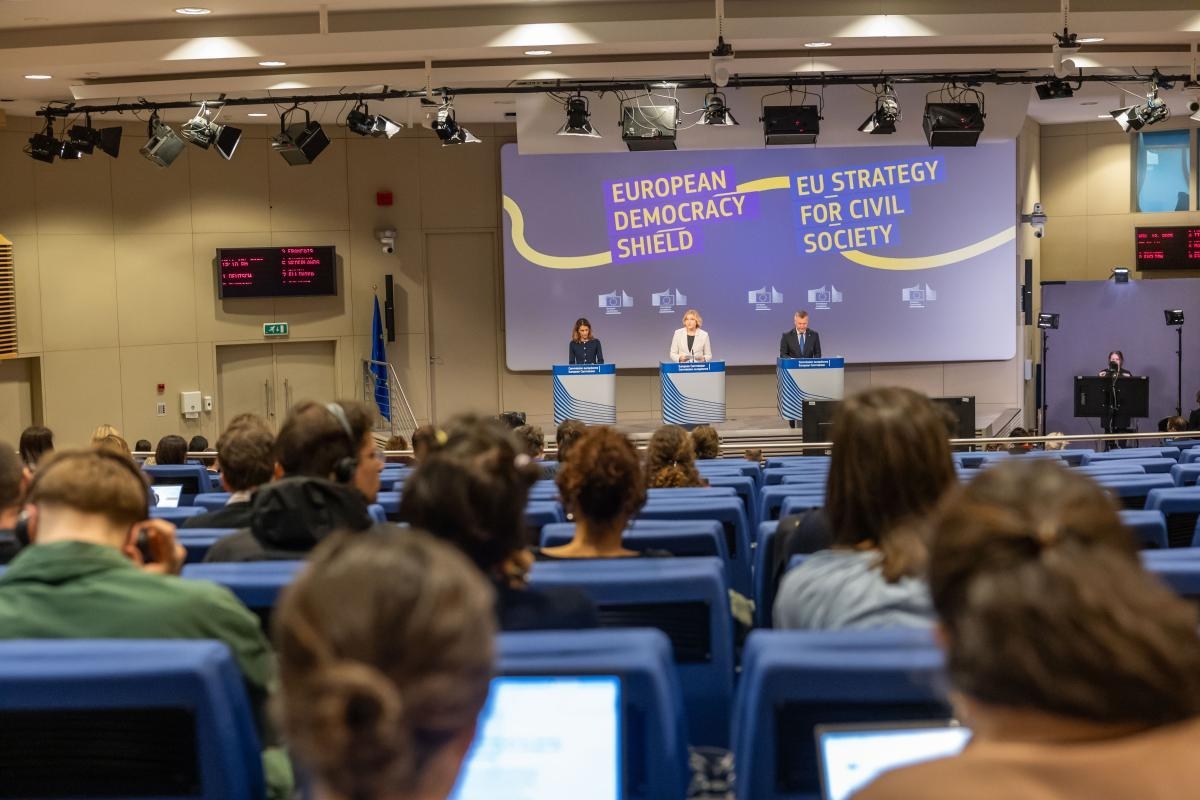
Publication of the European Democracy Shield Communication, along with the EU Civil Society Strategy. Read our analysis here.
21 January 2026
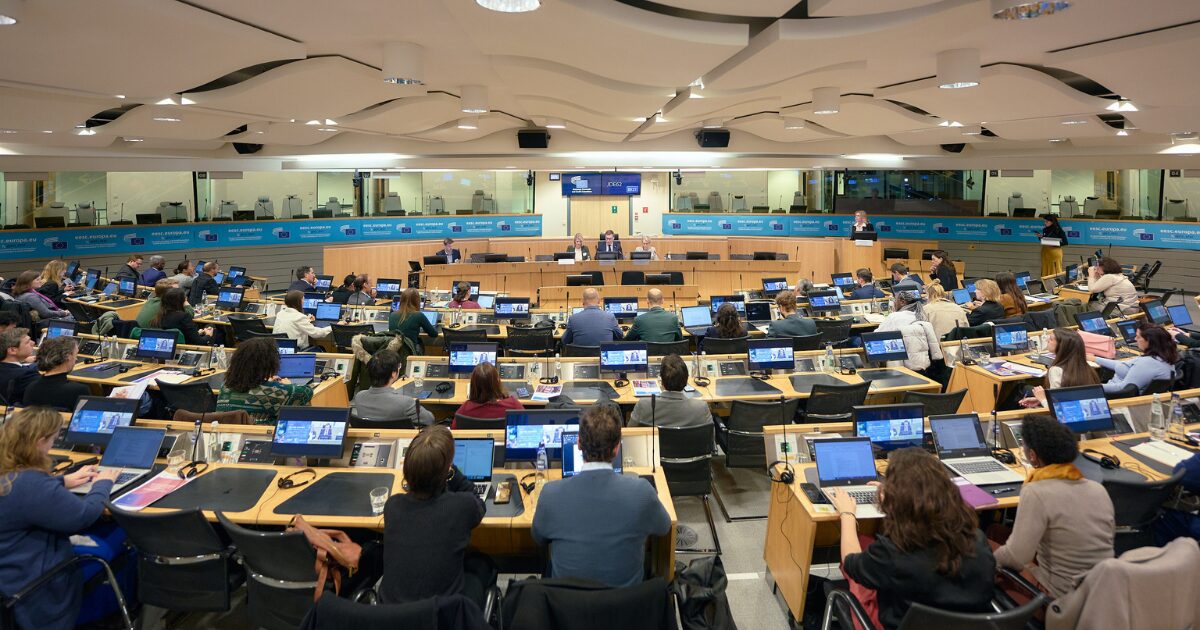
The draft report from the European Parliament’s Special Committee on the European Democracy Shield (EUDS) was published. Amendments were submitted until 11 February.
24 February 2026
The European Centre for Democratic Resilience was launched at a meeting of the EU Council’s General Affairs Council
May 2026
The European Commission opened its first consultations in the framework of the EUDS, on: Safety in politics; AI in electoral processes; Reinforce measures on the safety of journalists and combating abusive litigation (SLAPP)
23 June 2026
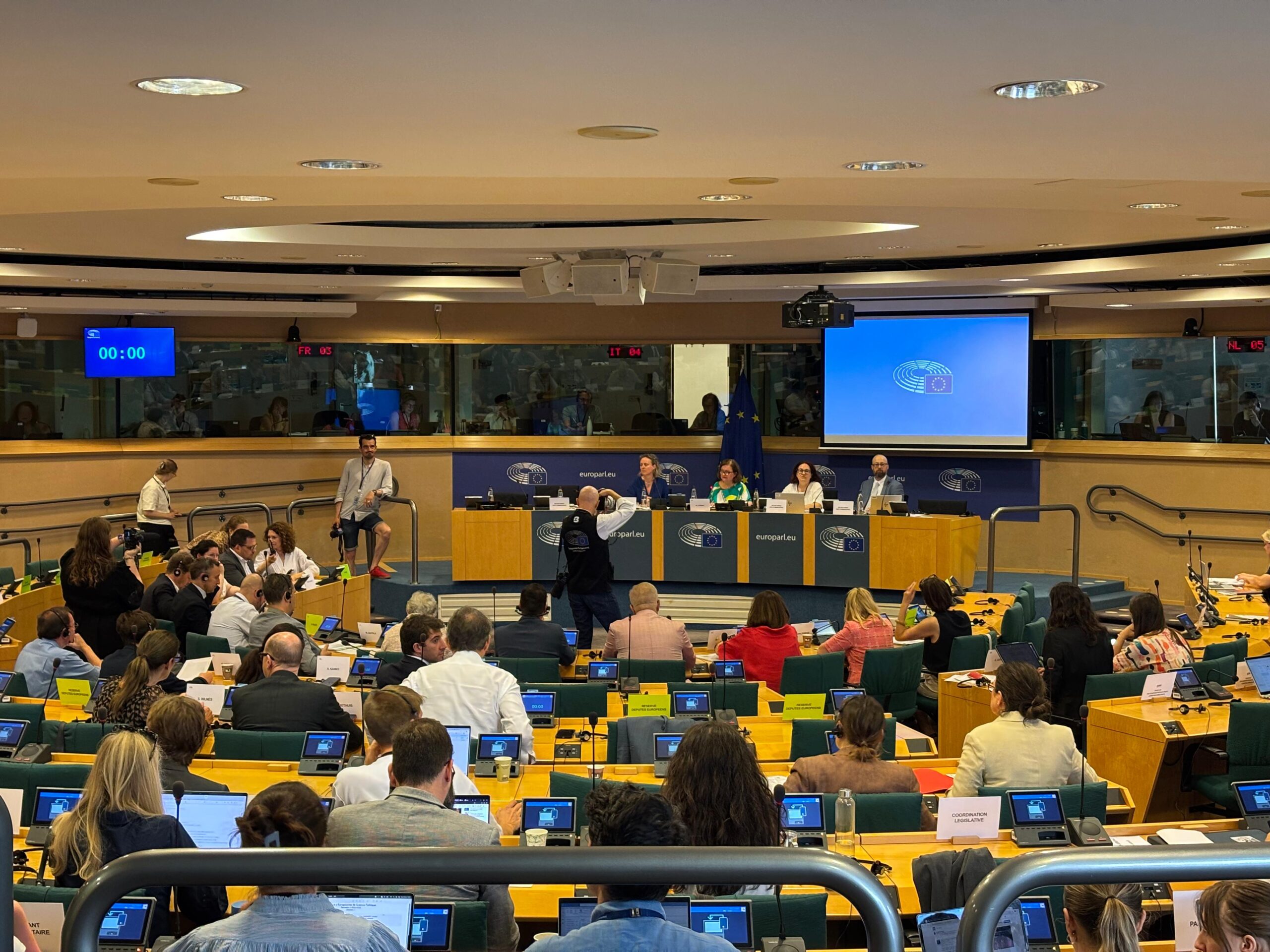
The EUDS votes on compromise amendments and approves the Report of Rapporteur Tomas Tobé (EPP). Consult our analysis here.
September 2026
Scheduled vote on the EUDS report in the EP Plenary in Strasbourg.
November 2026
High-Level event planned to mark a year since the EUDS publication
2027
Envisioned launch of the European Centre for Democratic Resilience Stakeholder Platform
A breakdown of the Shield
The European Democracy Shield entails the European Commission’s overarching agenda on democracy support. It follows up on the European Democracy Action Plan (EDAP), which was the main democracy agenda of the previous Commission. While the EDAP had a strong legislative component, with a focus on legislation such as the Digital Services Act, the AI Act, and the European Media Freedom Act, the Shield will focus more on implementation and guidelines. As such, it represents many of the political priorities for the Commission’s democracy support work.
After a long period of growing democratisation across the world, the number of autocracies has been on the rise for several years, with V-Dem noting that autocracies outnumber democracies for the first time in 20 years. Not only has this affected individual countries and the balance of power in the international community, but many of these autocracies are now exporting their model of governance.
In this context, EU democracy has not been left unaffected. Within the Union, several countries have marked democratic regressions, including shifts to outright authoritarianism. In addition, specific fields such as media freedom and pluralism – a key marker of democracy – have been steadily on the decline in a series of countries.
To prevent further regressions and address current challenges to EU democracy, the European Democracy Shield is a coordinated effort across Directorates to turn the tide of democratic regression within the Union.
It also aims to further the implementation of key legislation passed in the previous EC mandate affecting the field of democracy, such as the Digital Services Act (DSA), the AI Act, the European Media Freedom Act (EMFA), and others.
While the EUDS was being developed, EPD and 66 other organisations published a joint input to support its conceptualisation and ensure key challenges to democracy support were addressed.
The Shield initiative is built on three pillars, all containing key democracy support issues.
- Safeguarding the integrity of the information space
- Implementation of the EU Digital Rulebook, including the Digital Services Act, European Media Freedom Act, AI Act, and Regulation on the Transparency of Targeted Political Advertising
- Commissioner McGrath highlighted the addictive design of dominant social media platforms, as well as the challenge presented by algorithmic manipulation.
- Commitment to demonetise disinformation
- Highlights the need for EU Digital Sovereignty
- Strengthening democratic institutions, free and fair elections, and free and independent media
- Support for public interest media and journalists, including operational funding
- Announced Media Resilience Programme
- Development of Guidelines on the use of AI in electoral processes
- Boosting societal resilience and citizens’ engagement
- Guidelines for digital literacy in education
- Media literacy efforts
- European Citizens’ Panel on democratic resilience
- Organise a civic tech hackathon and set up a civic tech hub
An unofficial fourth pillar covers funding for democracy support. The EUDS commits to greater investment in democracy support, including through operational funding. The Communication further suggests that it should be possible to use defence spending to advance democratic resilience.
The European Centre for Democratic Resilience (ECDR) is one of the centrepieces of the European Democracy Shield agenda. Launched in February 2026 at a session of the General Affairs Council, it has started its operations in close cooperation with the EU Member States. Indeed, the ECDR is primarily aimed at the Member States in order to give them a space to exchange information and best practices, and implement projects together based on those exchanges. With an initial focus on countering foreign information manipulation and interference (FIMI) and disinformation, the Centre’s work is expected to expand towards other areas of democratic resilience to allow for a more holistic approach.
Complementing the work done by Member States in the ECDR, the Shield envisions the establishment of a Stakeholder Platform for ‘non-institutional stakeholders’, including civil society. The Stakeholder Platform will have three main aims:
- To bring a broad set of stakeholders and communities together to enable contributions and feed them into the Centre’s work;
- To facilitate the exchange of information, expertise and advice;
- To support the dissemination of outputs, including research.
In coordination with its members and partners, EPD has developed a civil society blueprint to support the creation of the Stakeholder Platform.
The European Democracy Shield lies within the portfolio of the Commissioner for Democracy, Justice, the Rule of Law and Consumer Protection, Michael McGrath.
Given the thematic focus of the European Democracy Shield, two of the main Directorates dealing with its development and implementation are DG JUST and DG CNECT.
Within the European Parliament, the Shield portfolio is primarily covered by the Special Committee on the European Democracy Shield (EUDS). EPP MEP Tomas Tobe is the rapporteur on this file. Many of the thematic areas covered by the Shield overlap with other standing committees, most notably CULT, LIBE, IMCO, AFET, SEDE, and ECON.
The secretariat of the European Centre for Democratic Resilience is made up of representatives from various institutions, including DG COMM, the Cabinet of Commissioner McGrath, DG JUST, DG CNECT, DG ENEST, EEAS.
The Shield’s primary focus is on EU Member States. However, the EUDS communication shows an impressive integration of EU candidate countries across the text, acknowledging the interconnection of issues covered by the Shield, primarily in the field of information integrity.
While the Shield was initially envisioned to tackle external information threats, this scope has broadened significantly, which is something EPD advocated for strongly. The Communication now covers a wide range of democracy support issues stemming from internal and external actors.
Our publications on the European Democracy Shield

Cover photo: © Scott Mohn on Flickr.