
EPD’s Annual Conference 2026 set out to answer two big questions: how do we keep democracies resilient, and how do we rebuild public trust in the people and institutions that run them? The clearest message of the day: democracy isn’t just a value to defend — it’s a strategic asset, as important as security or economic stability. Here are five lessons that stood out.
Democracy is a security infrastructure
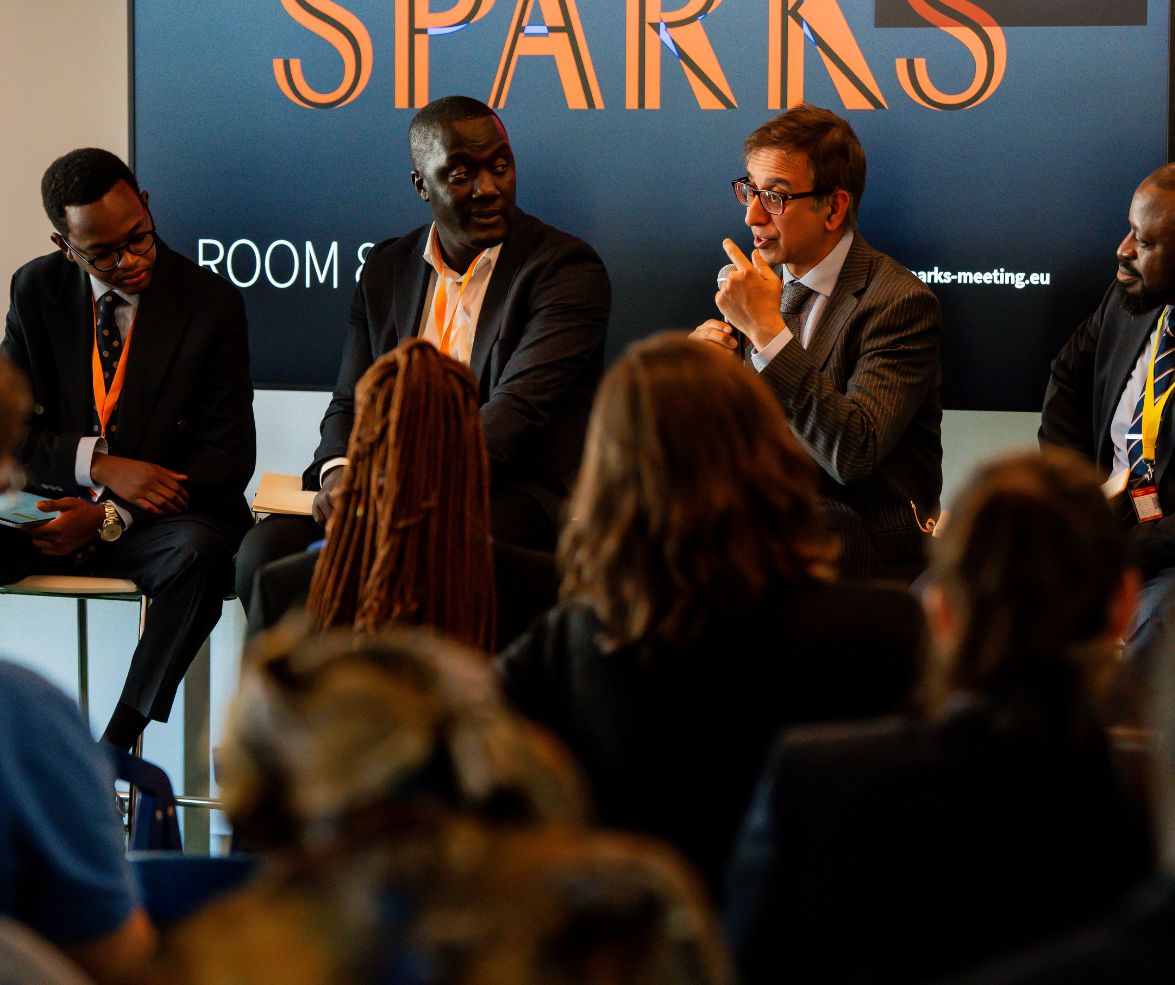
Democracy support and EU enlargement are no longer separate policy tracks — they are mutually reinforcing pillars of Europe’s security architecture. The logic also runs the other way: strong democracies make for more durable peace, and durable peace strengthens democracy in turn. That argument doesn’t stop at the EU’s own borders. From migration management to the Global Gateway, Europe’s external action needs the same coherence it expects from its partners.
Institutions alone won’t win this fight: minds matter just as much.
As Veronica Anghel (Robert Schuman Centre) put it, conditionality and institutional reform aren’t enough against entrenched authoritarian leaders — the real battle is psychological, fought for the trust and resilience of societies, not governments. Media freedom is part of that fight too: it keeps institutions accountable and gives citizens the confidence to challenge authority peacefully. The other half is literacy — helping people recognise disinformation even when it’s more engaging than the truth.
Civil society is being squeezed, and funding hasn’t caught up
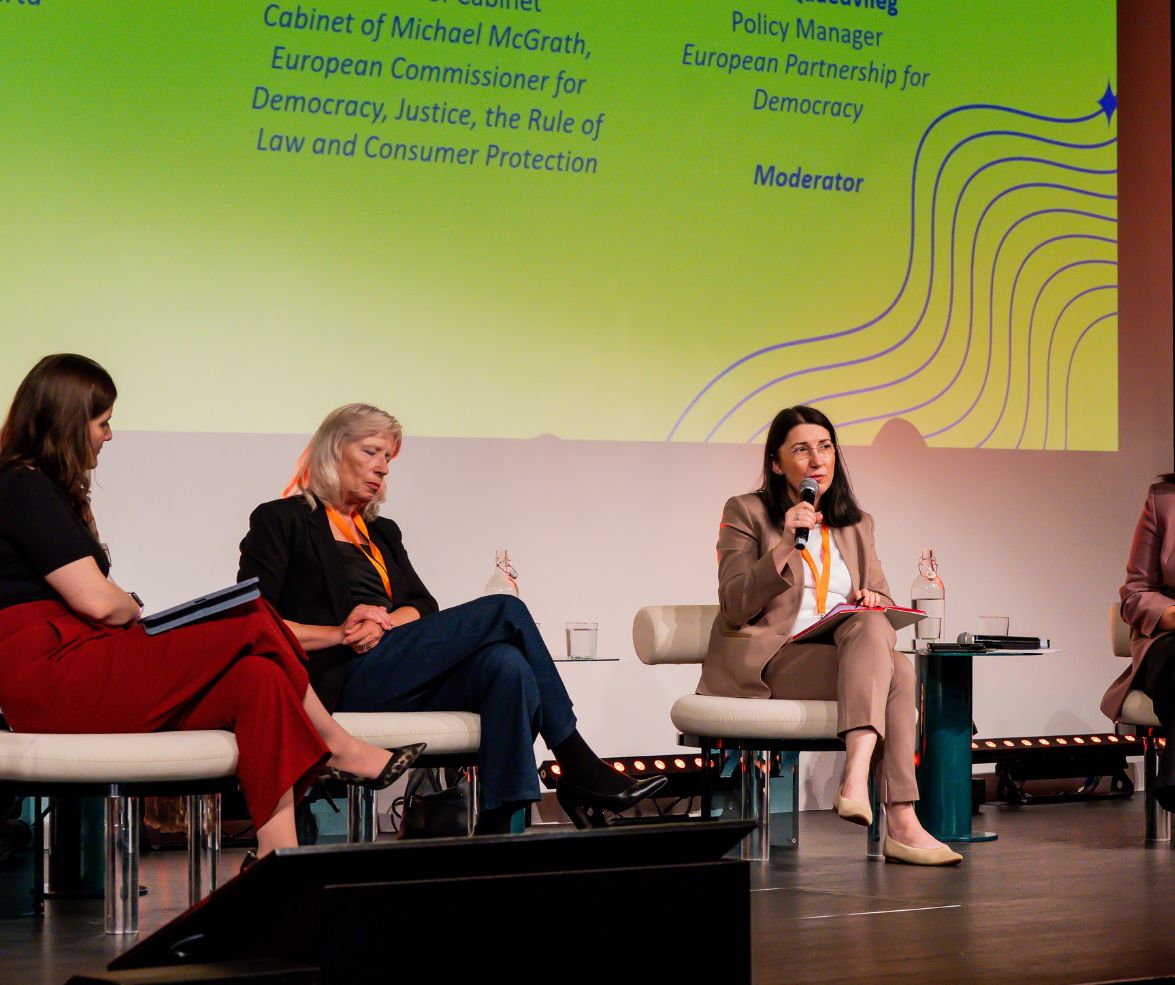
Civic space has been shrinking for a decade, and the tactics are becoming more sophisticated — funding cuts, but also legal requirements designed simply to limit what civil society organisations can do. Some Western governments are cutting their own funding too. The day’s civil society panel agreed organisations are adapting, but real resilience needs the EU to allocate funding strategically rather than just generously — making sure resources reach the local partners actually doing the work, not only the larger organisations channelling them.
The crisis of democracy is as much about delivery as about being heard
Gallup data shared at the conference showed that some of the world’s most established democracies — the US, UK, France and Canada — are seeing their sharpest declines in freedom since 2006, even as citizens in autocracies report surprisingly high trust in their own governments. Young people are the most disillusioned, with 9 in 10 aged 15 to 29 saying they don’t trust their national government. However, as Cas Mudde (University of Georgia) argued, the crisis isn’t only generational: even groups long considered politically well-served can feel left behind as their economic status erodes. The fix, as Hannah Neumann (MEP) put it, is vision and delivery — everyone already knows the issues; what’s missing is a credible plan to solve them, and that vacuum is exactly what the far right exploits.
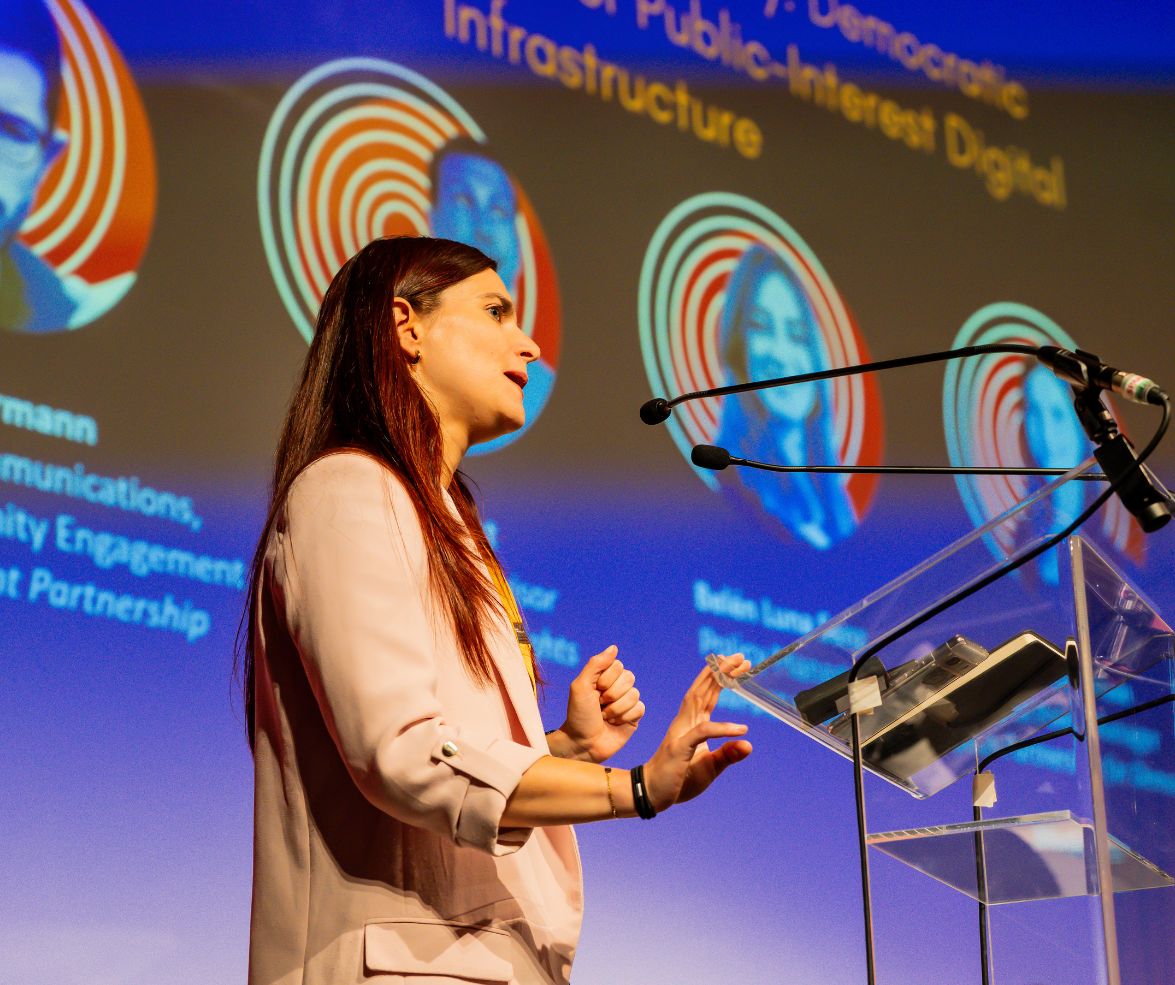
Who controls our digital infrastructure is a democratic question, not just a market one.
The EU largely agrees it needs sovereign digital infrastructure, but is far less clear on who should own and govern it. As Jan Penfrat (EDRi) put it bluntly, the real problem with big tech isn’t where companies are based — Europe or the US — it’s their sheer size, and the influence that buys in policy-making and markets. Asked how to rein that power in, his answer was direct: “Stop using them.” Others framed the issue differently: what makes these companies dangerous is their business model, built on monetising personal data. However, the proposed fix converges on the same idea: treat digital infrastructure as a common good, built and owned collectively rather than concentrated in a handful of companies.
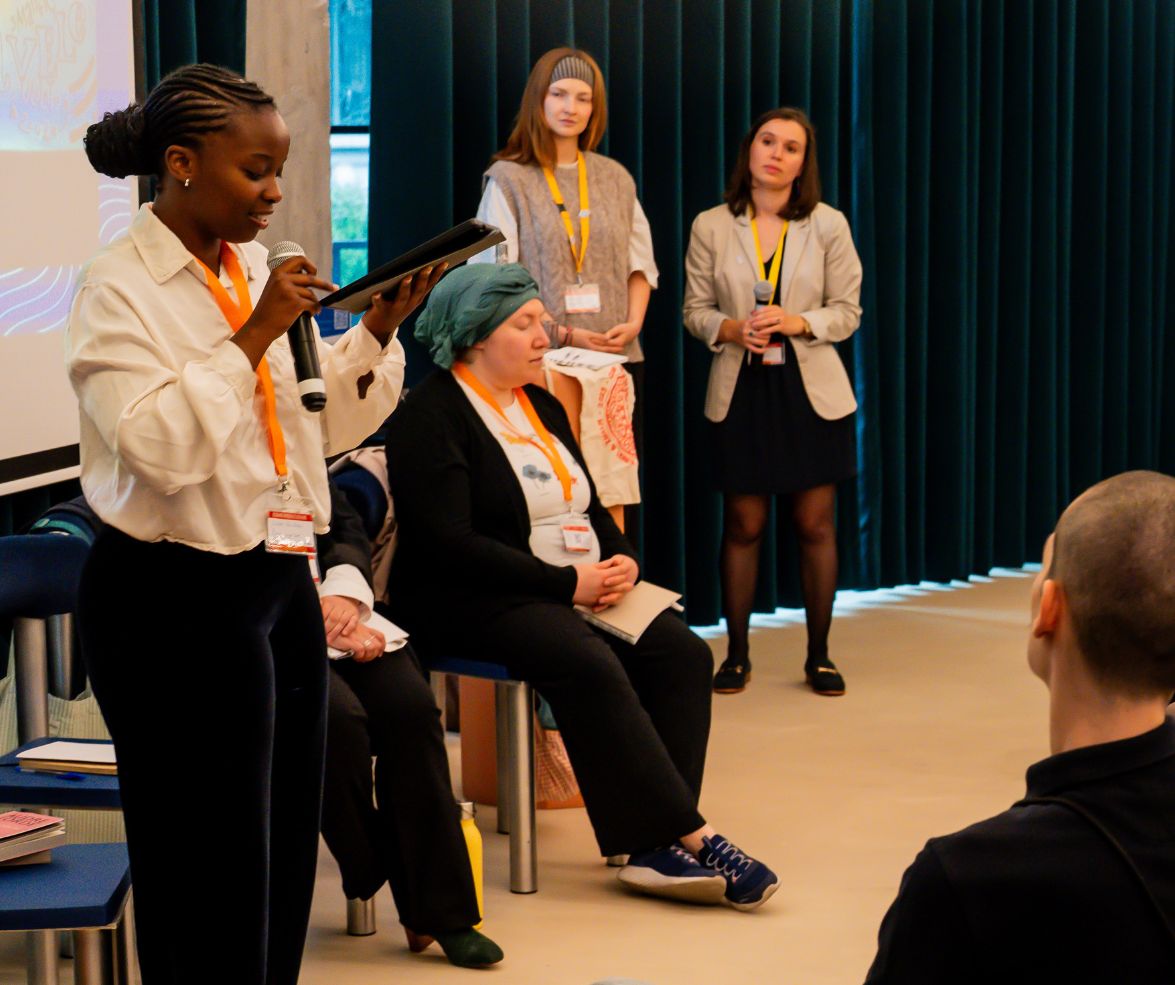
One more thing stayed with us. Three artists — a Georgian filmmaker, a Rwandan-Dutch poet, and the co-founder of a Brussels diaspora collective — showed how creative work can do what policy can’t: give people a place to exist when their history is denied. As one of them put it, art and democracy aren’t so different — both are a dialogue between different ways of seeing the world.
If there’s one thread running through all of this, it’s that resilience isn’t built in any single place — not in institutions alone, not in funding alone, not in technology alone. It’s built in the space between them, where governments, civil society and citizens actually work together instead of in silos. That’s the work the EPD Community is committed to continuing.
The highlights in pictures
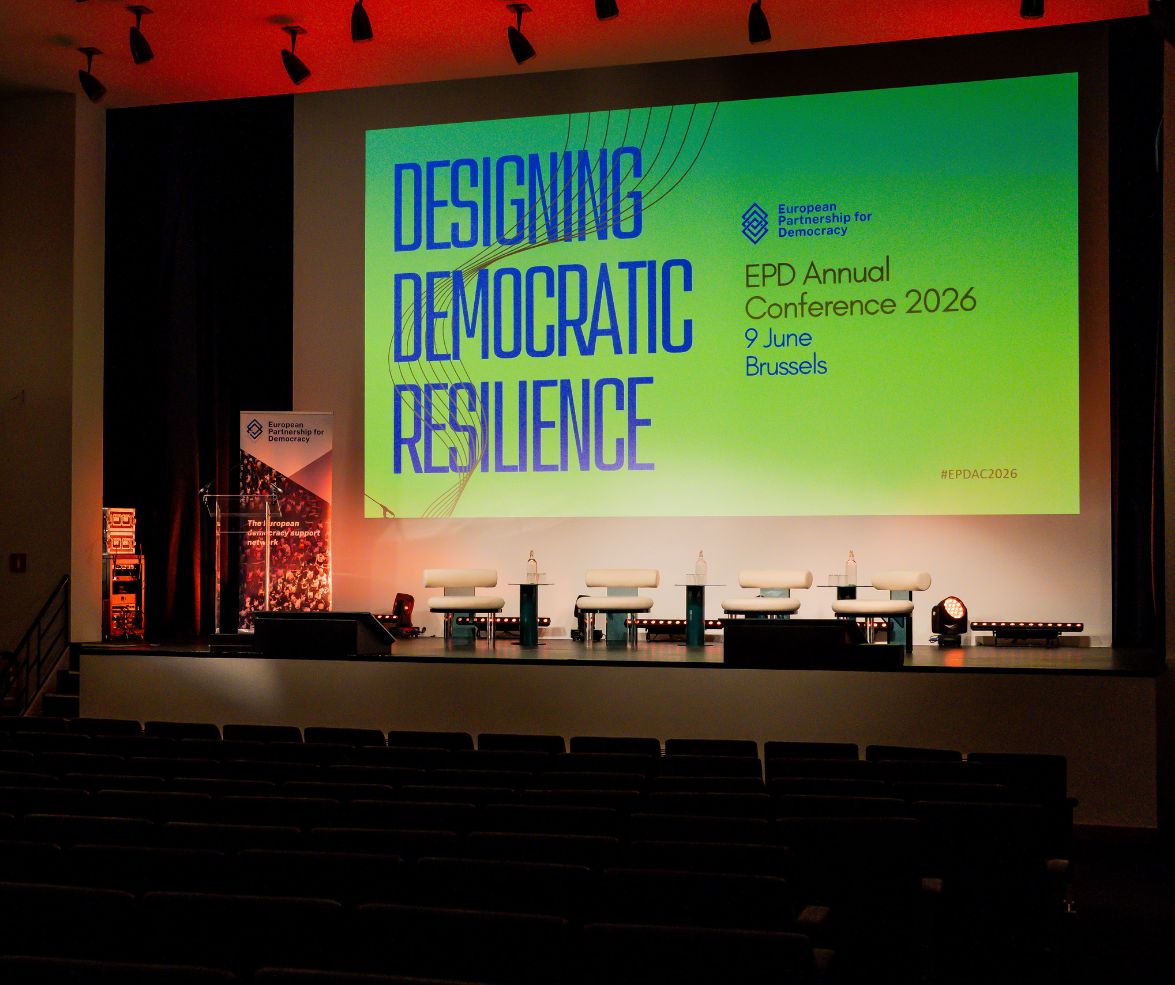
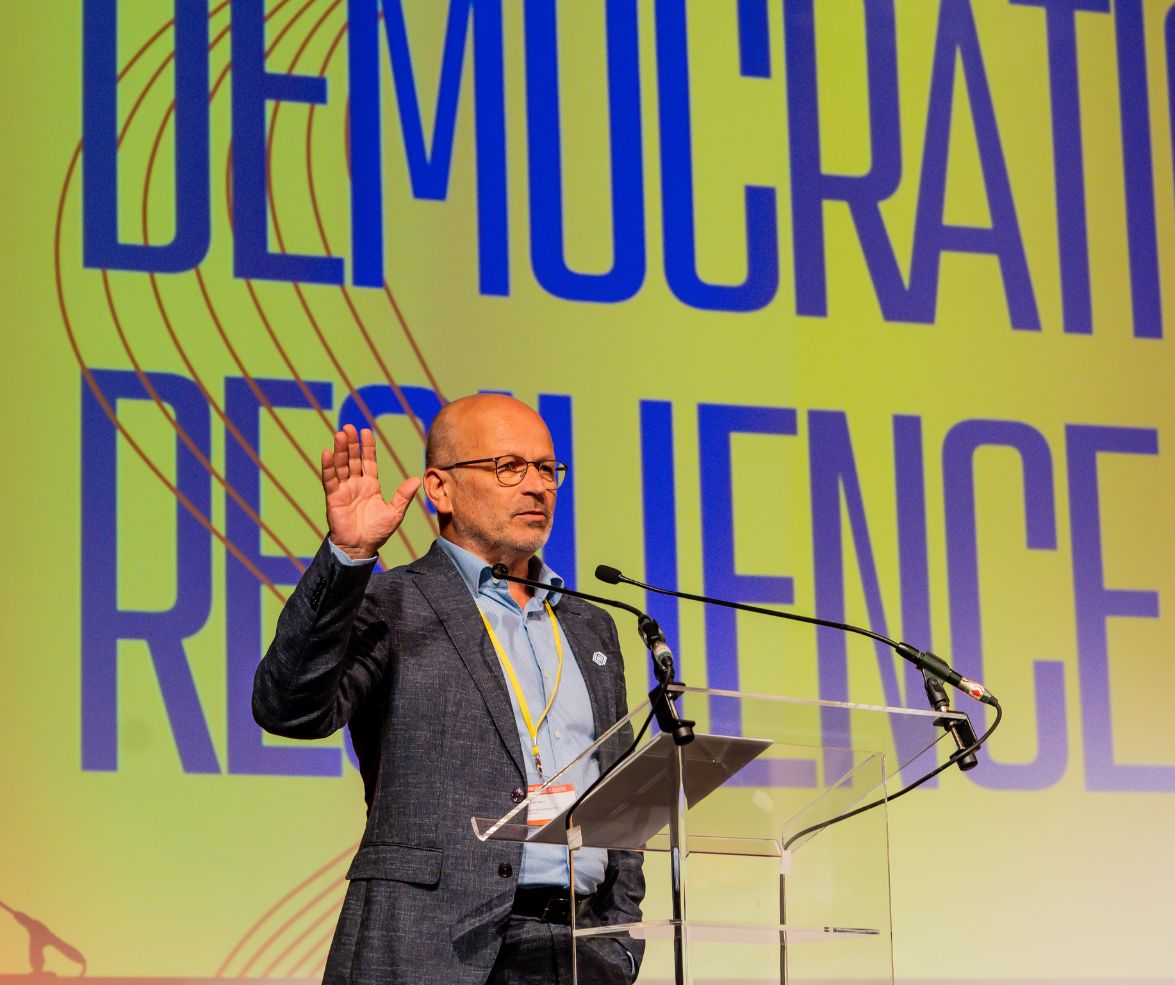
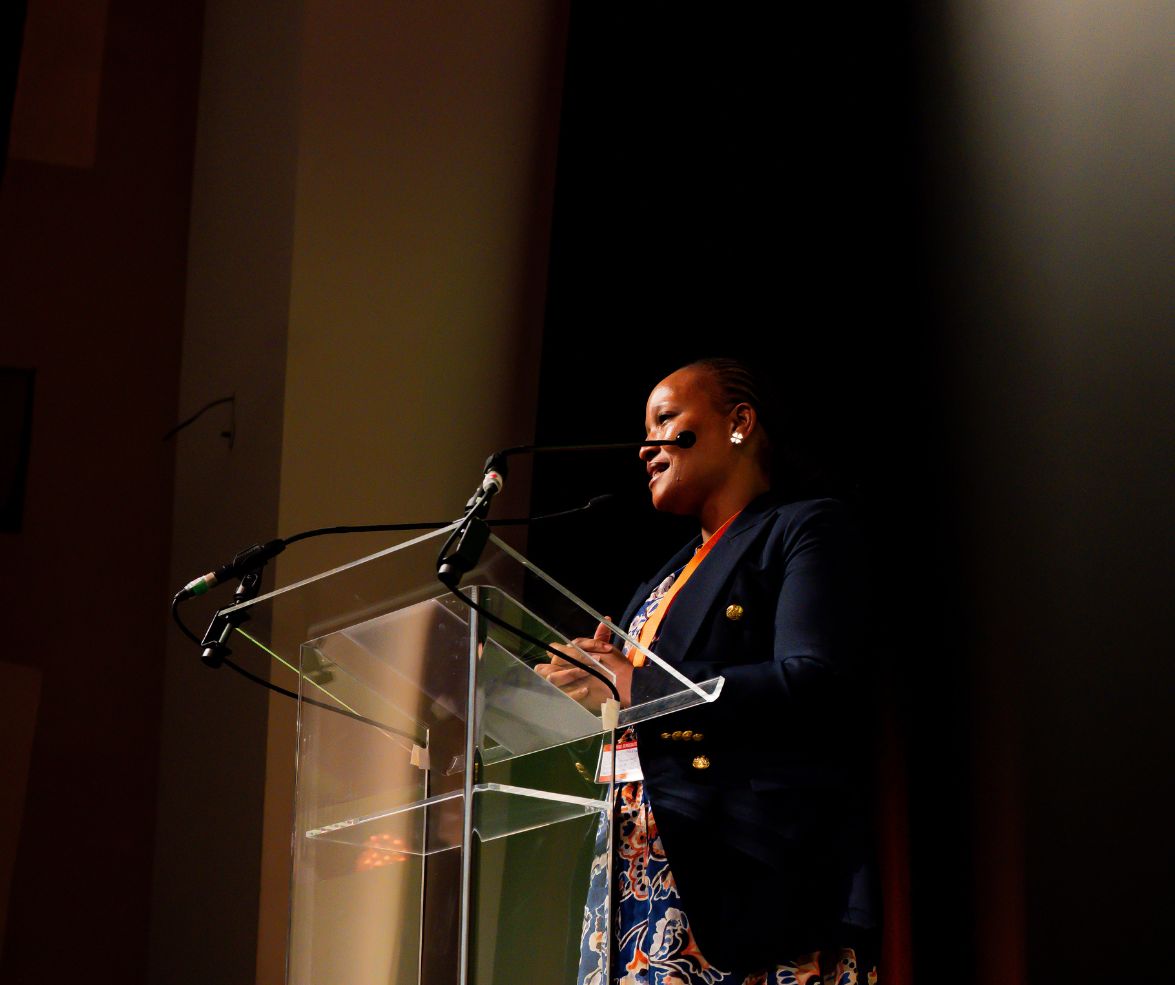
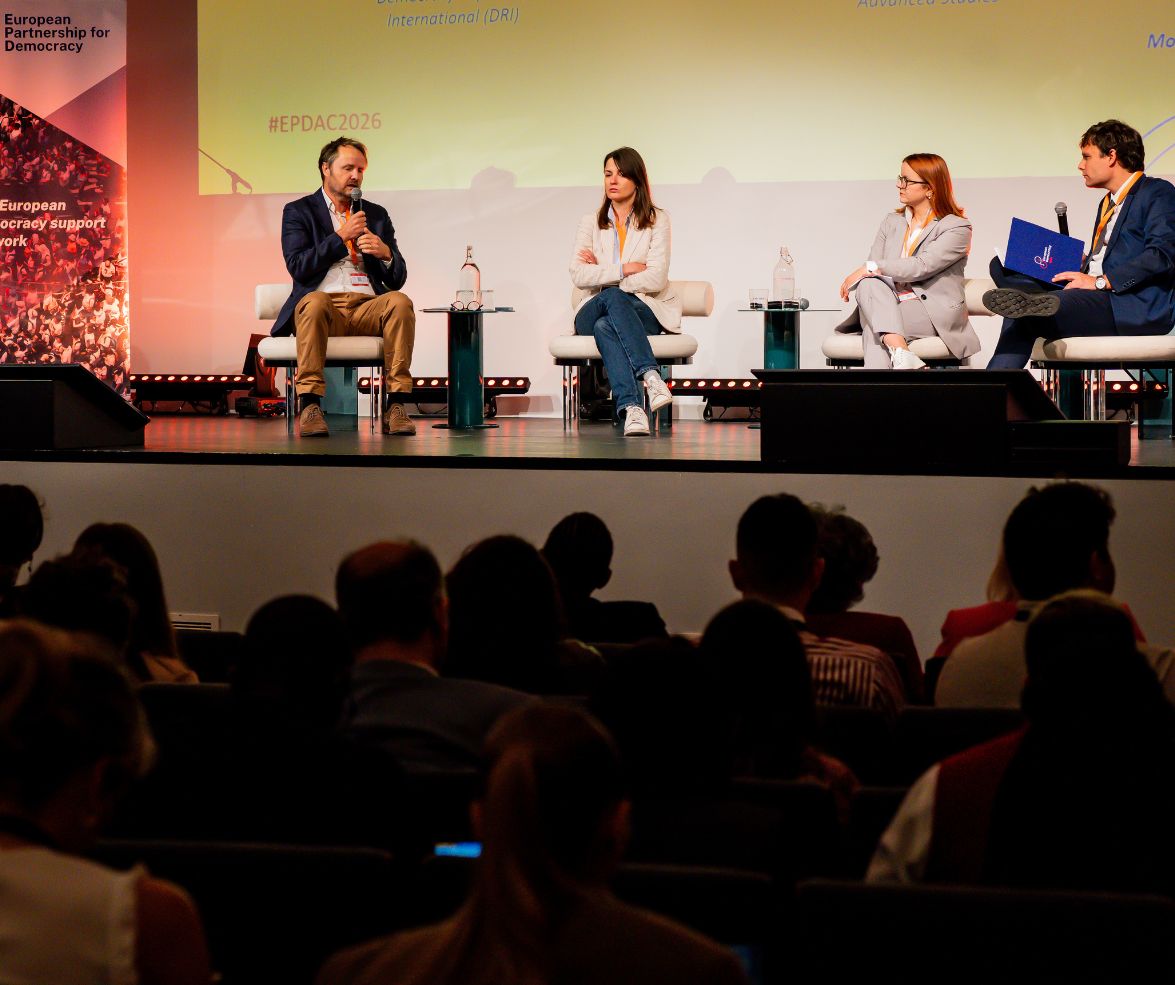



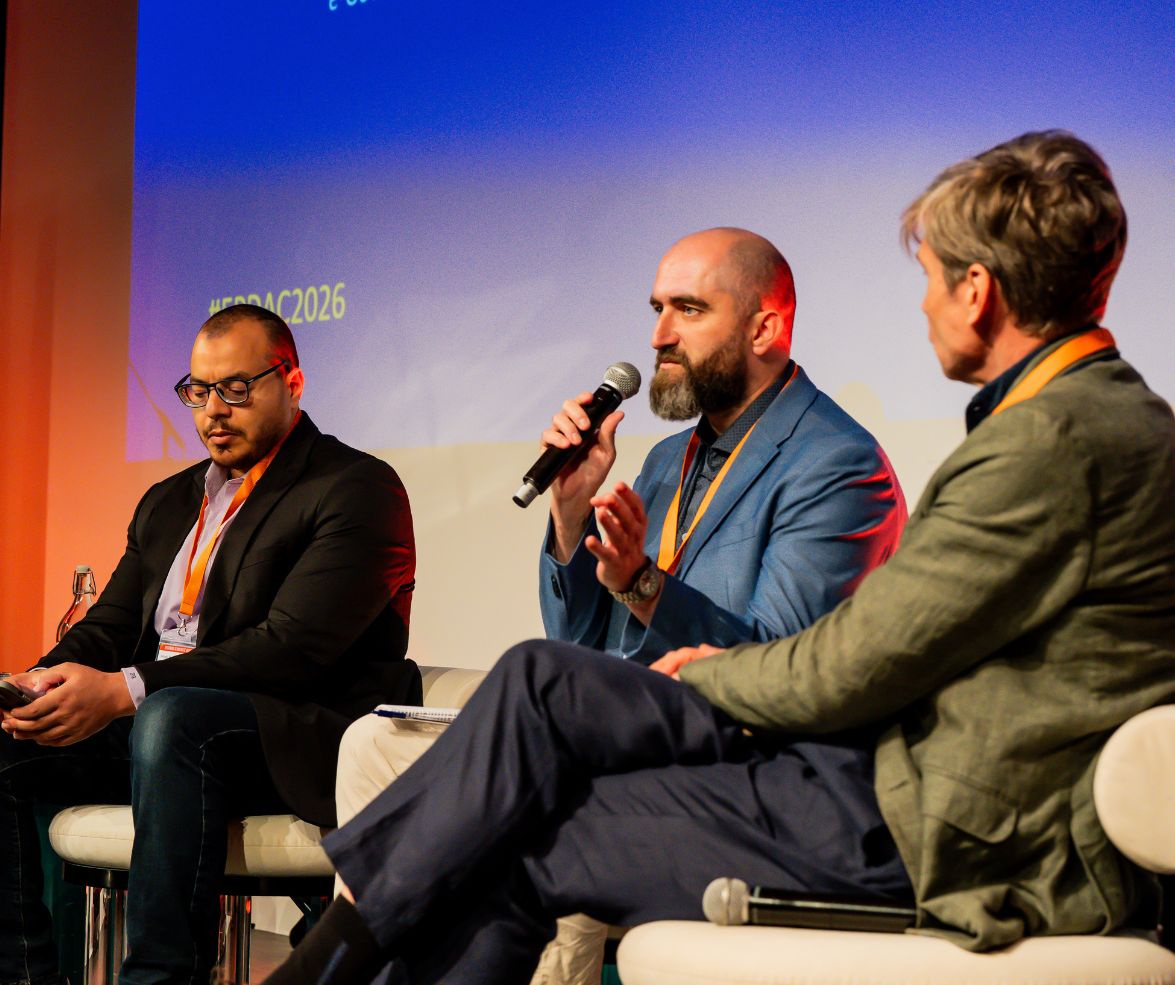
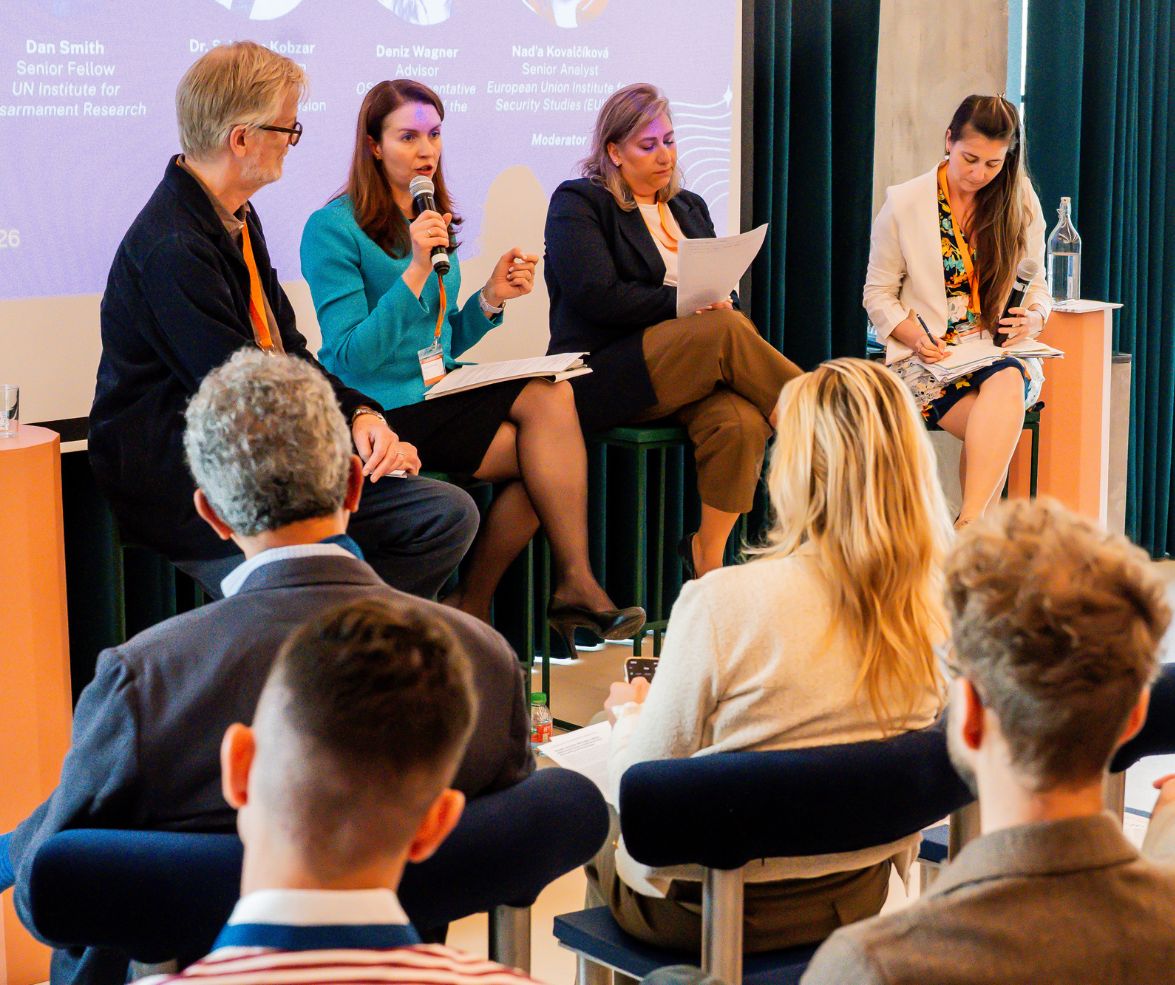
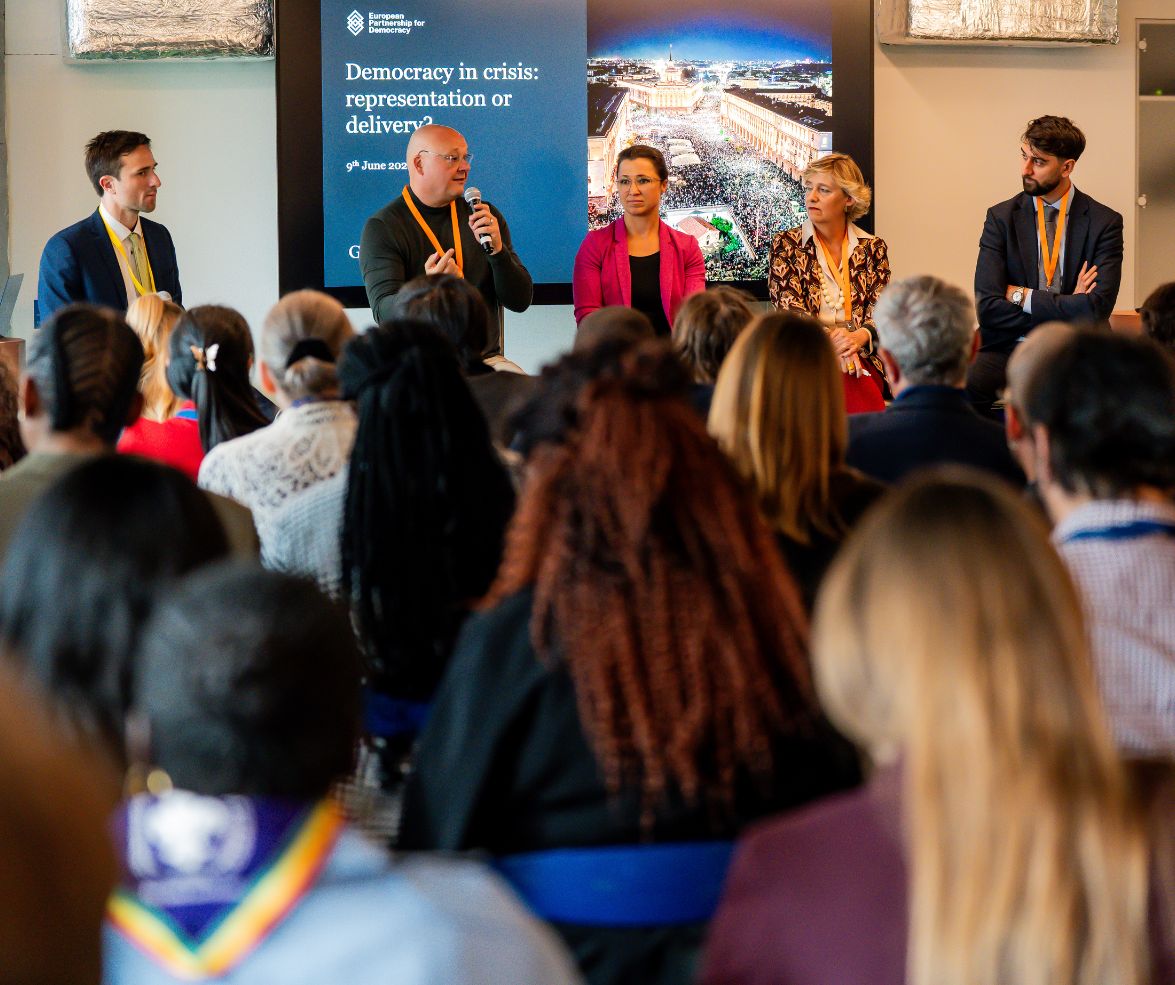
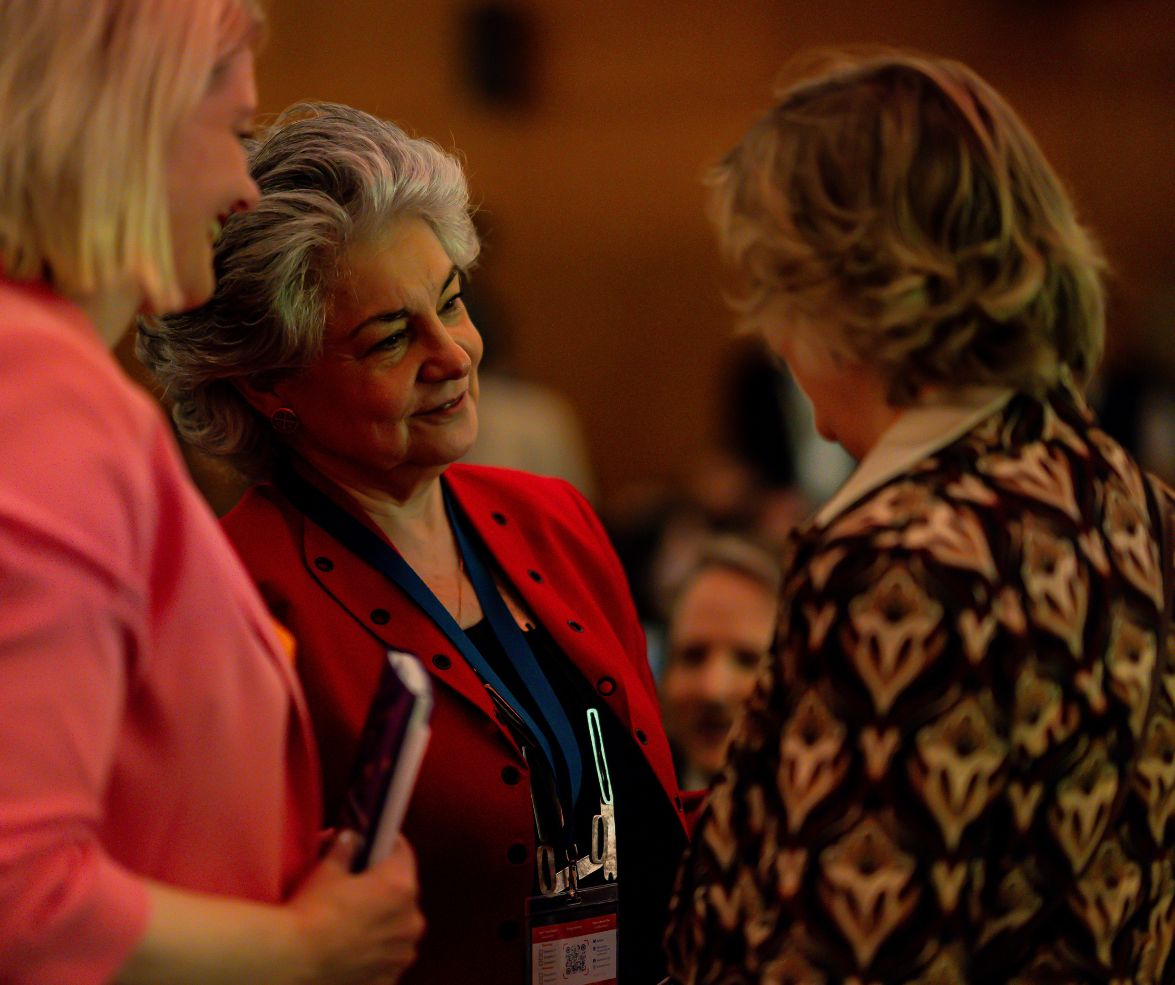
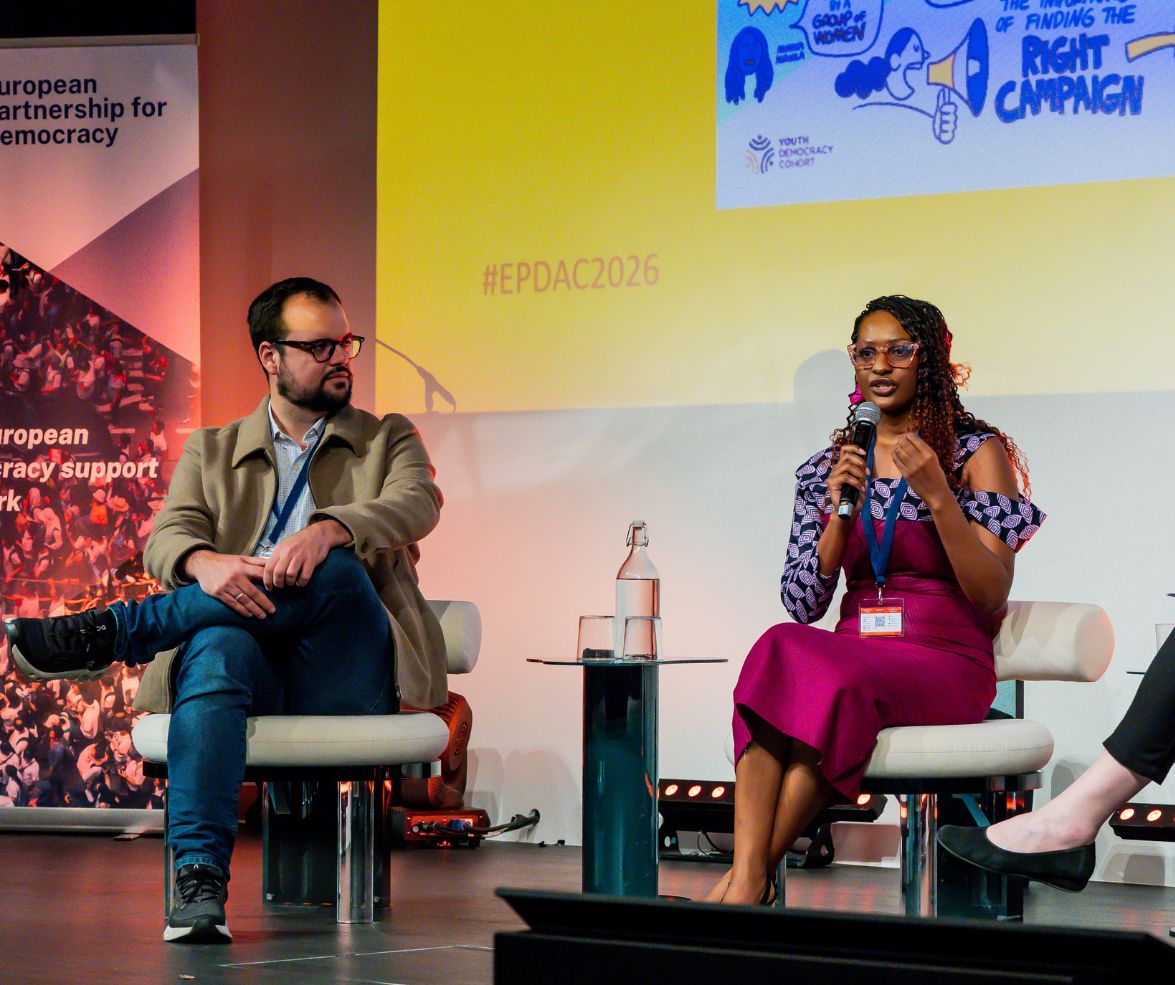
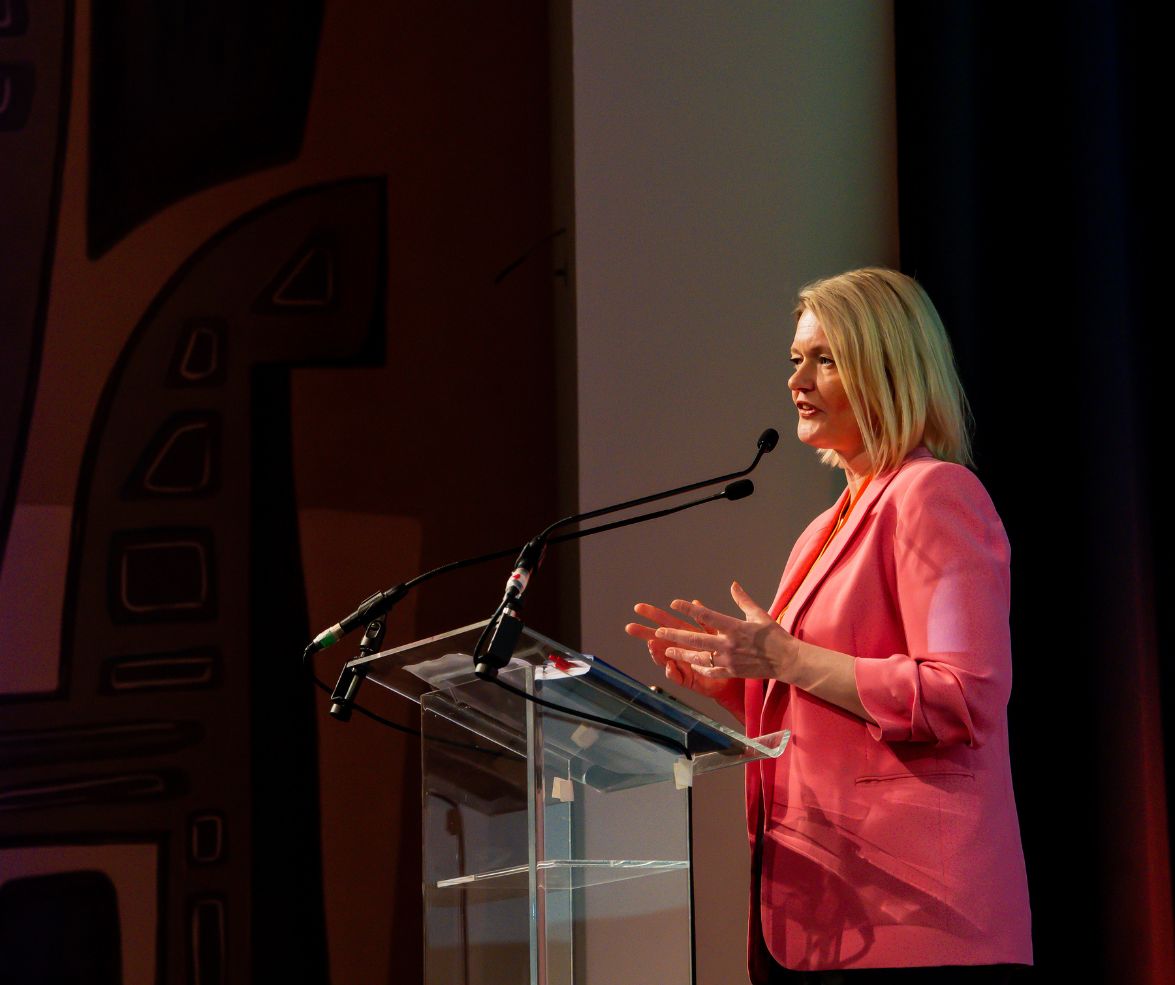
Photos by Daphne Matthys
If you use any pictures on your personal social media platforms or on your website, please make sure to credit them to Daphne Matthys.


